
Categories
Recent Posts

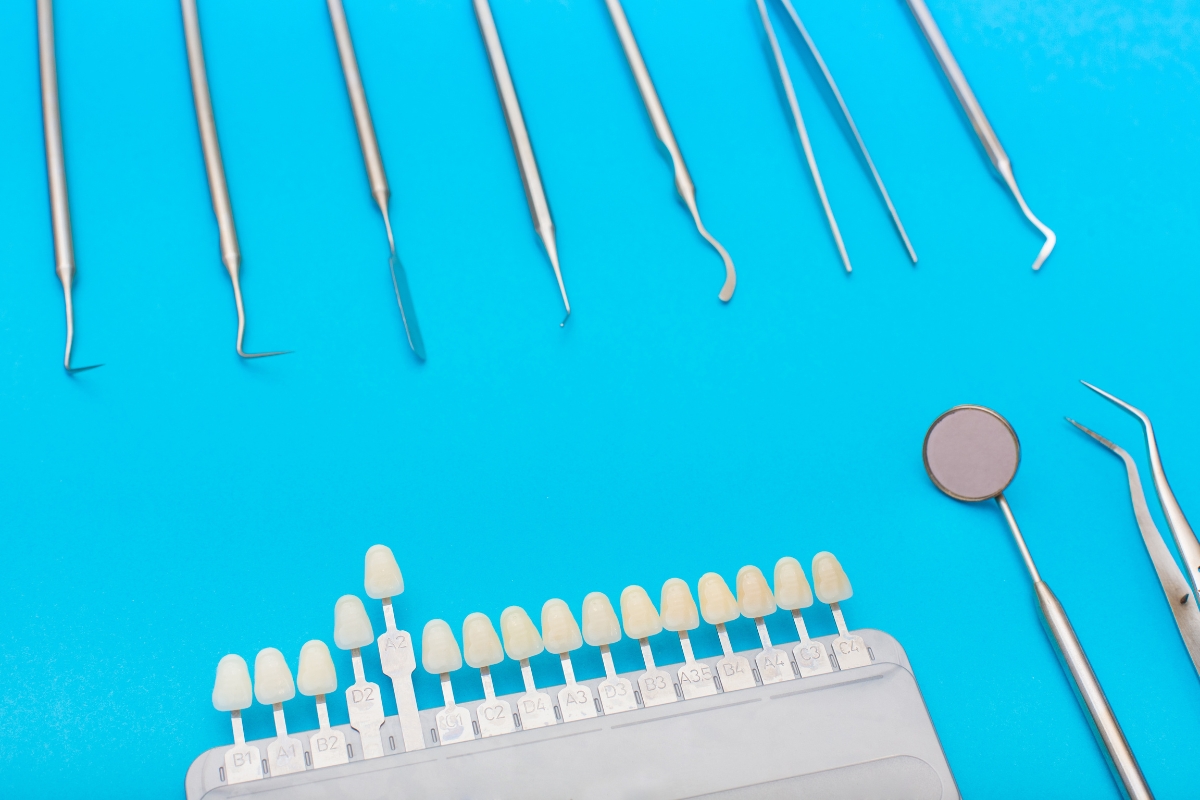

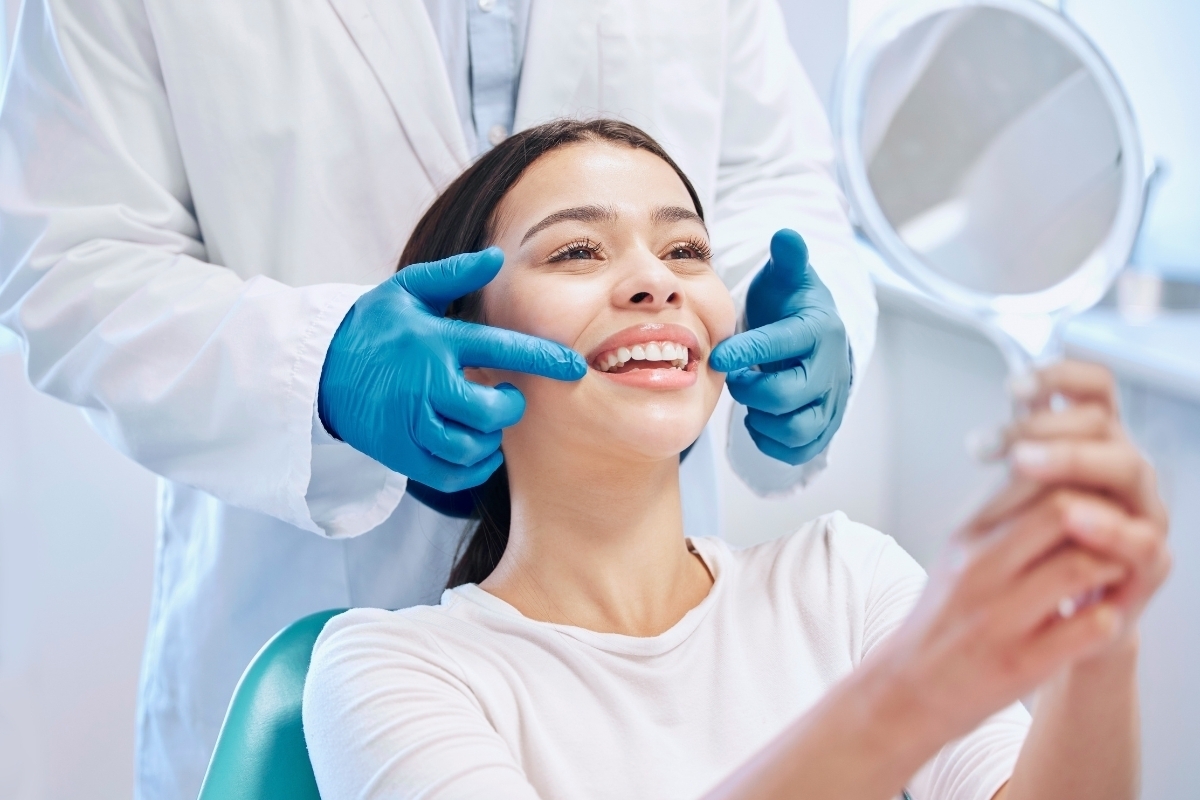
Most people notice tooth discoloration gradually. A smile that once looked bright can begin to appear yellow, dull, or uneven without any obvious change in daily habits. While many assume poor brushing is the cause, tooth discoloration often develops because of aging, diet, medications, lifestyle factors, and changes occurring beneath the enamel itself.
Understanding why teeth change color is important because not all stains respond to whitening in the same way. Some discoloration can be lifted with professional whitening, while other types require a different approach to achieve natural-looking results.
At DS Family and Cosmetic Dentistry – By: Dr. Daniel Sluyk, we believe patients make better decisions when they understand the reason behind changes in their smile. Through years of helping individuals address cosmetic concerns, Dr. Daniel Sluyk has seen how different types of discoloration require different solutions. If you have noticed staining, darkening, or uneven tooth color, we encourage you to schedule a consultation to identify the cause and explore your options. Book an appointment to receive a personalized evaluation and treatment recommendation.
What Causes Teeth to Change Color?
Teeth change color when pigments, aging, medications, trauma, or oral health conditions alter either the outer enamel or the inner structure of the tooth. The exact cause determines whether whitening is likely to be effective.
Many people are surprised to learn that discoloration often develops even when oral hygiene habits are consistent. The reason is that stains can originate both on the surface and inside the tooth.
External Stains
External stains affect the enamel and are commonly caused by:
- Coffee and espresso drinks
- Tea
- Red wine
- Tobacco products
- Dark sauces
- Colored sports drinks
- Poor plaque control
These stains accumulate gradually and often respond well to professional whitening.
Internal Stains
Internal stains develop within the tooth and can result from:
- Aging
- Dental trauma
- Certain medications
- Developmental conditions
- Excess fluoride exposure during tooth development
Internal discoloration is often more challenging to treat and may require cosmetic alternatives.
What Are the Most Common Tooth Discoloration Causes?
The most common tooth discoloration causes include dark beverages, tobacco use, aging, medications, plaque accumulation, and trauma that affects the internal tooth structure.
Each cause creates discoloration differently, which is why a proper diagnosis is essential before selecting a whitening treatment.
Coffee, Tea, and Lifestyle Habits
One of the most common causes of staining is frequent exposure to dark-colored beverages. Coffee contains tannins that cling to enamel and make stains more visible over time.
This is especially relevant for many local residents who start their mornings with coffee before work, enjoy iced beverages during warm afternoons, or regularly visit popular gathering spots around Old Town. These daily habits may seem harmless, but years of exposure can noticeably darken teeth.
Tobacco Use
Nicotine and tar create yellow and brown deposits that become increasingly difficult to remove. Tobacco-related stains often penetrate deeper than food-related discoloration.
Natural Aging
As enamel gradually thins, the naturally darker dentin beneath becomes more visible. This process affects nearly everyone and is one of the leading reasons adults seek cosmetic treatment.
Medication Effects
Certain prescriptions are recognized as a medication that stains teeth. Some antibiotics, antihistamines, blood pressure medications, and treatments used during childhood can alter tooth color over time.
Why Do Yellow Stains Develop on Teeth?
Yellow stains on teeth often develop because enamel becomes thinner over time, allowing the darker dentin beneath to show through. Dietary habits and plaque accumulation can accelerate the process.
Many patients assume yellowing occurs suddenly. In reality, it usually develops slowly over years.
Residents who enjoy outdoor activities such as golf, hiking in the McDowell Sonoran Preserve, cycling, or pickleball often consume sports drinks and acidic beverages throughout the day. While these drinks support hydration, repeated exposure can contribute to enamel wear and increased staining.
What Causes Sudden Brown Stains on Teeth?
Sudden brown stains on teeth can be caused by tartar buildup, tobacco use, dietary changes, dental trauma, certain medications, or developing oral health conditions.
Any unexpected color change should be professionally evaluated.
Brown discoloration may indicate:
- Significant plaque and tartar accumulation
- Early tooth decay
- Tobacco-related staining
- Trauma affecting the tooth’s internal structure
- Side effects of certain mouth rinses
- Mineral changes within enamel
Because the cause is not always cosmetic, professional diagnosis is important before whitening is considered.
Why Store-Bought Whitening Often Falls Short
Store-bought whitening products can improve mild surface stains, but they often cannot address deeper discoloration that has developed over many years.
One of the most common misconceptions we hear is that every stain can be removed with whitening strips. In reality, whitening success depends on the source of the discoloration.
Over-the-counter products typically offer:
- Lower whitening concentrations
- Generic tray designs
- Limited penetration into deeper stains
- Less predictable outcomes
Professional treatment is customized to the patient’s needs, helping produce more consistent and balanced results.
How Does Professional Teeth Whitening Work?
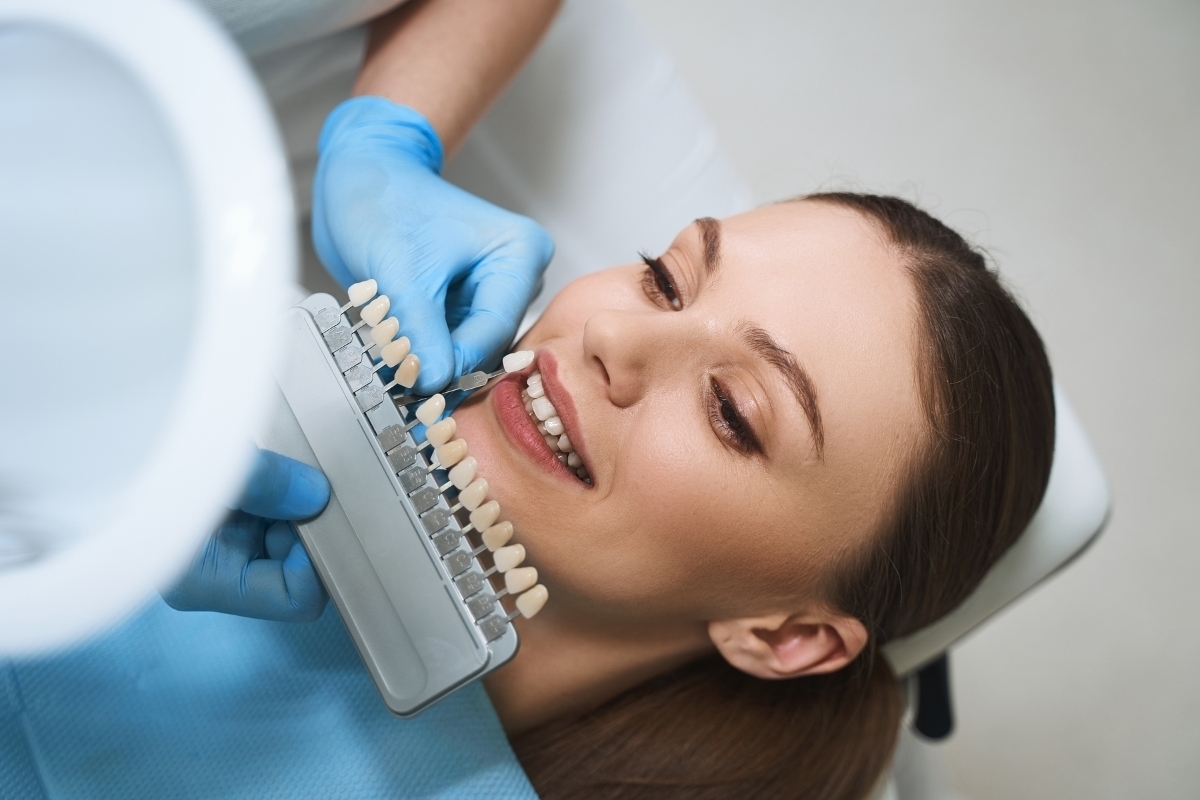
Our professional teeth whitening in Scottsdale uses clinically tested whitening agents that penetrate enamel and break apart stain molecules, resulting in a noticeably brighter smile.
Unlike whitening toothpaste, professional whitening addresses discoloration beneath the enamel surface.
Benefits include:
- Faster results
- More uniform whitening
- Customized treatment planning
- Professional supervision
- Reduced risk of uneven whitening
- Better effectiveness on moderate staining
For many patients, whitening offers a conservative way to improve smile appearance without altering natural tooth structure.
How Can You Maintain a Brighter Smile After Whitening?
Maintaining whitening results requires consistent oral hygiene, professional cleanings, and limiting exposure to staining substances.
The goal is not perfection. It is reducing the factors that repeatedly darken enamel.
Helpful strategies include:
- Brushing twice daily
- Flossing every day
- Drinking water after coffee or tea
- Scheduling routine cleanings
- Avoiding tobacco products
- Using a straw for straining beverages when practical
- Staying hydrated throughout the day
In a desert environment, maintaining hydration supports saliva production, which naturally helps wash away pigments and protect enamel.
A Personalized Approach to Smile Whitening
Discoloration affects every smile differently. What causes staining in one patient may not be responsible for another person’s discoloration. That is why successful treatment starts with understanding the source rather than simply choosing a whitening product.
At DS Family and Cosmetic Dentistry – By: Dr. Daniel Sluyk, we take a diagnostic approach to cosmetic care because the most effective treatment is the one that addresses the actual cause of the problem. Whether discoloration is linked to aging, lifestyle habits, medications, or internal tooth changes, identifying the source helps create more predictable and lasting results.
If you have concerns about tooth color, visit our dental office for a professional evaluation. Because not all discoloration responds to whitening in the same way, a personalized examination is the most reliable way to determine the most appropriate solution for your smile. Book an Appointment today to learn which treatment option best fits your specific needs.