

Categories


Have you ever caught your reflection in a shop window and found yourself staring, not at your smile, but at one tooth that never quite matches the others? Maybe it’s a little shorter, a bit pointed, or chipped at the edge from a bike accident twenty years ago. You’re not alone. Most people have at least one tooth that doesn’t sit quite right, and for many, it’s enough to make them think twice before smiling in photos.
The good news is that cosmetic dentistry to improve the shape of your teeth has come a long way, and the fixes are often simpler and faster than people expect. Whether it’s one tooth or several, small adjustments can make a noticeably bigger difference than most patients anticipate.
What Does “Tooth Shape” Really Mean?
When dentists talk about tooth shape, they’re referring to more than just size. It includes:
- Length — teeth that appear too short or too long compared to neighboring teeth
- Width — narrow or unusually wide teeth that throw off symmetry
- Edges — jagged, worn, or uneven biting edges
- Surface contour — bumps, ridges, or flat spots that catch the light differently than the rest of your smile
These details are subtle, but your brain picks up on them instantly, even if you can’t always pinpoint why a smile looks “off.”
Common Tooth Shape Concerns Cosmetic Dentistry Can Fix
Some of the most frequent shape-related concerns patients bring up include:
- Chipped or cracked edges from an old injury
- Naturally small or “peg-shaped” teeth
- Uneven wear from grinding or years of biting habits
- Gaps between teeth caused by shape mismatches, not just spacing
- Pointed canine teeth that look sharper than the rest of the smile
None of these are unusual, and none of them are permanent. This is exactly where cosmetic dentistry becomes so useful, it doesn’t just mask a concern, it reshapes the tooth itself so the fix blends in naturally.
Cosmetic Dentistry Options for Reshaping Your Teeth
There isn’t a single treatment that works for everyone. Your dentist will usually recommend one of the following, depending on how much correction is needed:
Dental bonding A tooth-colored resin is applied and sculpted directly onto the tooth, then hardened with a special light. It’s ideal for small chips or minor shape corrections and can usually be done in one visit.
Enamel contouring For teeth that are slightly too long or have small irregular edges, a dentist can gently reshape the enamel. This is quick, painless, and often paired with other treatments for a balanced result.
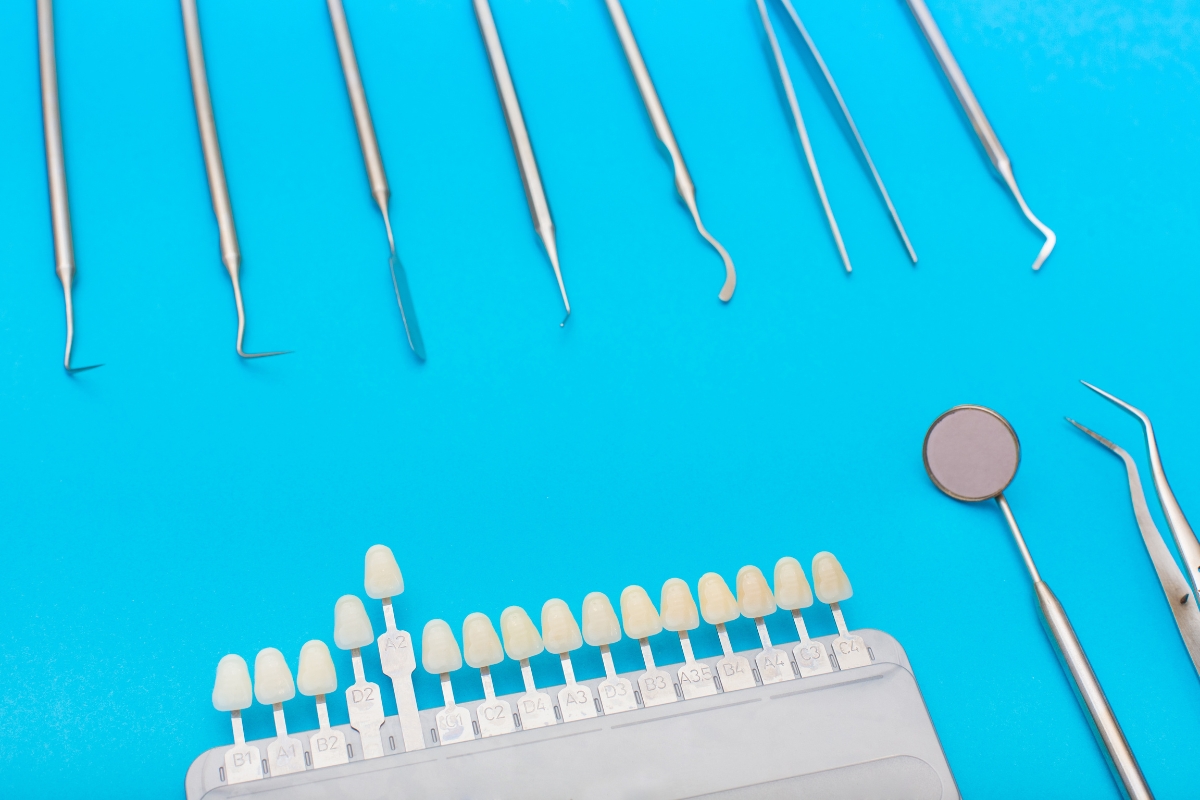
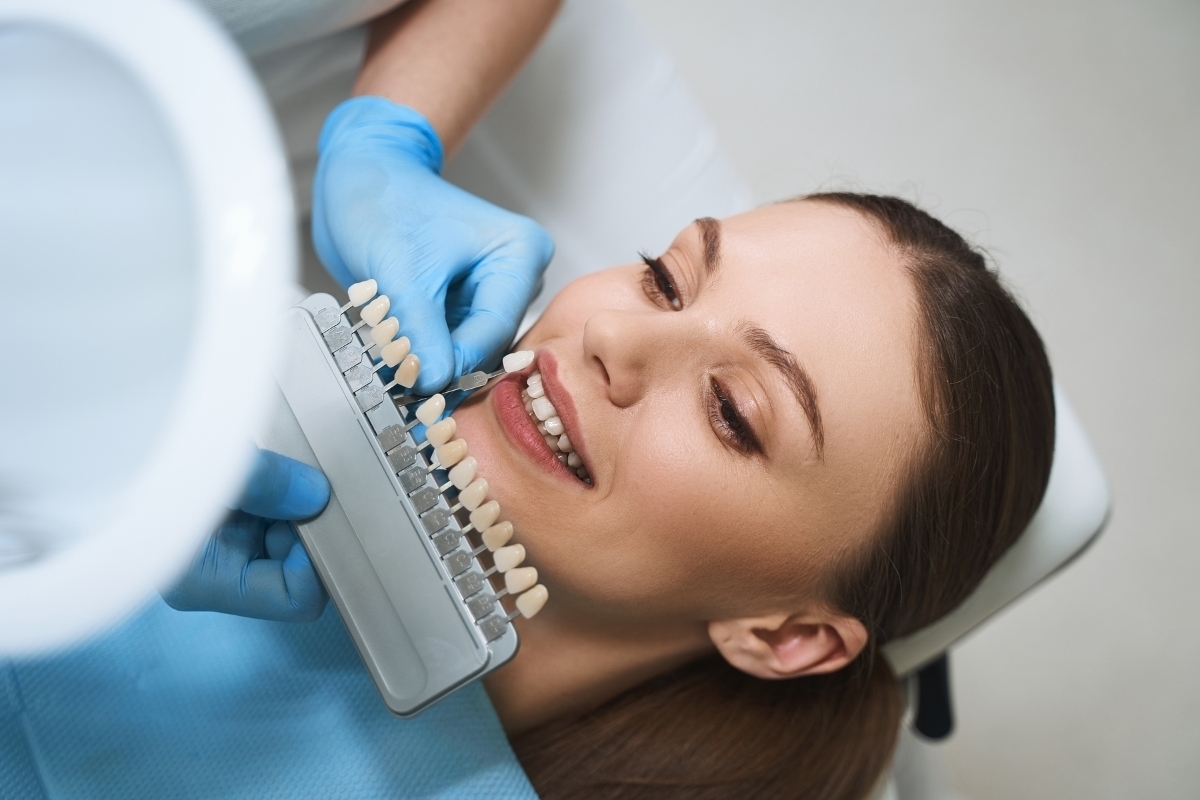
Porcelain veneers For more noticeable shape changes — like uneven width, wear, or several affected teeth — thin porcelain shells are custom-made to cover the front of the teeth. Veneers are one of the most popular ways to correct shape, size, and color all at once, and if you’d like a closer look at how porcelain veneers can transform the shape of your smile, it’s worth exploring in more detail.
Dental crowns When a tooth is significantly worn down or structurally weak, a crown restores both shape and strength, making it a practical option when appearance and function need to be addressed together.
What to Expect During the Process
Most shape-correction treatments follow a similar path:
- A consultation to evaluate your teeth, bite, and goals
- A discussion of which option fits your specific concern
- The procedure itself — often completed in one or two visits
- A final polish and bite check to make sure everything feels natural
Recovery is typically minimal. Bonding and contouring involve no downtime at all, while veneers and crowns may need a short adjustment period as you get used to the new shape.
Why Tooth Shape Matters Beyond Aesthetics
It’s easy to think of this as purely cosmetic, but shape can affect more than how your smile looks in pictures.
- Bite alignment — uneven edges can affect how your teeth meet when you chew
- Speech clarity — certain shape irregularities can subtly affect pronunciation
- Long-term wear — sharp or chipped edges are more prone to further damage over time
Addressing shape issues early often prevents bigger, more complicated problems down the road.
Is Cosmetic Dentistry Right for You?
If you’ve been self-conscious about a tooth’s shape for years, or you’re only now noticing it, it’s worth having a conversation with a dentist who can walk you through your options honestly. Not every case needs veneers, and not every fix requires multiple visits — sometimes a single appointment is all it takes to see a real difference.
Ready to Feel Confident in Your Smile Again?
You don’t have to live with a tooth shape that bothers you every time you catch your reflection. Cosmetic dentistry offers real, lasting solutions — often simpler than you’d expect. If you’re ready to explore what’s possible for your smile, schedule a consultation with our team today and take the first step toward a smile you feel good about.
Frequently Asked Questions
Can cosmetic dentistry fix crooked or oddly shaped teeth without braces?
Yes, in many cases. Bonding, contouring, and veneers can visually correct shape and alignment without the time commitment of orthodontics.
Does reshaping a tooth hurt?
Most reshaping procedures, like bonding and contouring, are painless and don’t require anesthesia. Veneers may involve mild, temporary sensitivity.
How long do shape corrections last?
Bonding typically lasts 5–7 years, while veneers can last 10–15 years or longer with proper care and regular checkups.
Will reshaped teeth look natural?
Yes. Modern materials are shade-matched and sculpted to mimic natural enamel, so the results blend seamlessly with your surrounding teeth.
Is cosmetic dentistry only for adults?
It’s most common in adults, since a full smile and jaw development are usually needed, but options vary by age and case, so a consultation is the best starting point.