

Categories
Recent Posts

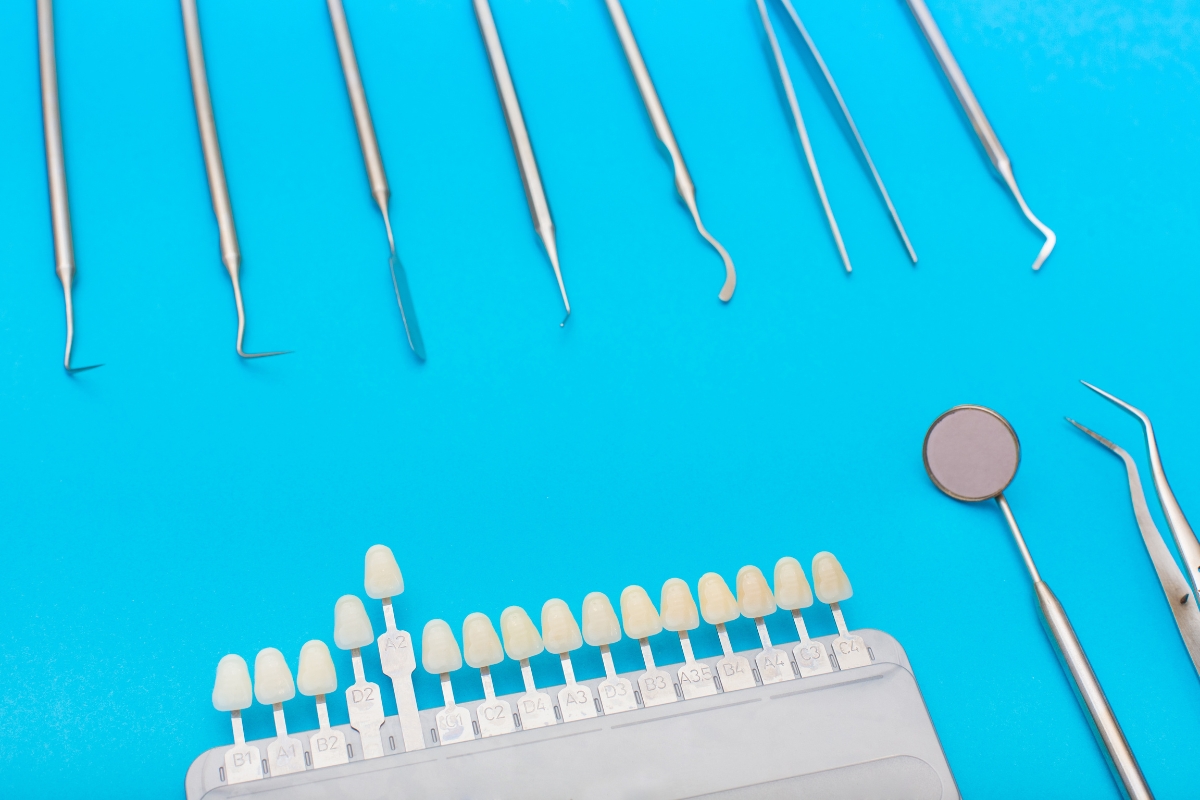
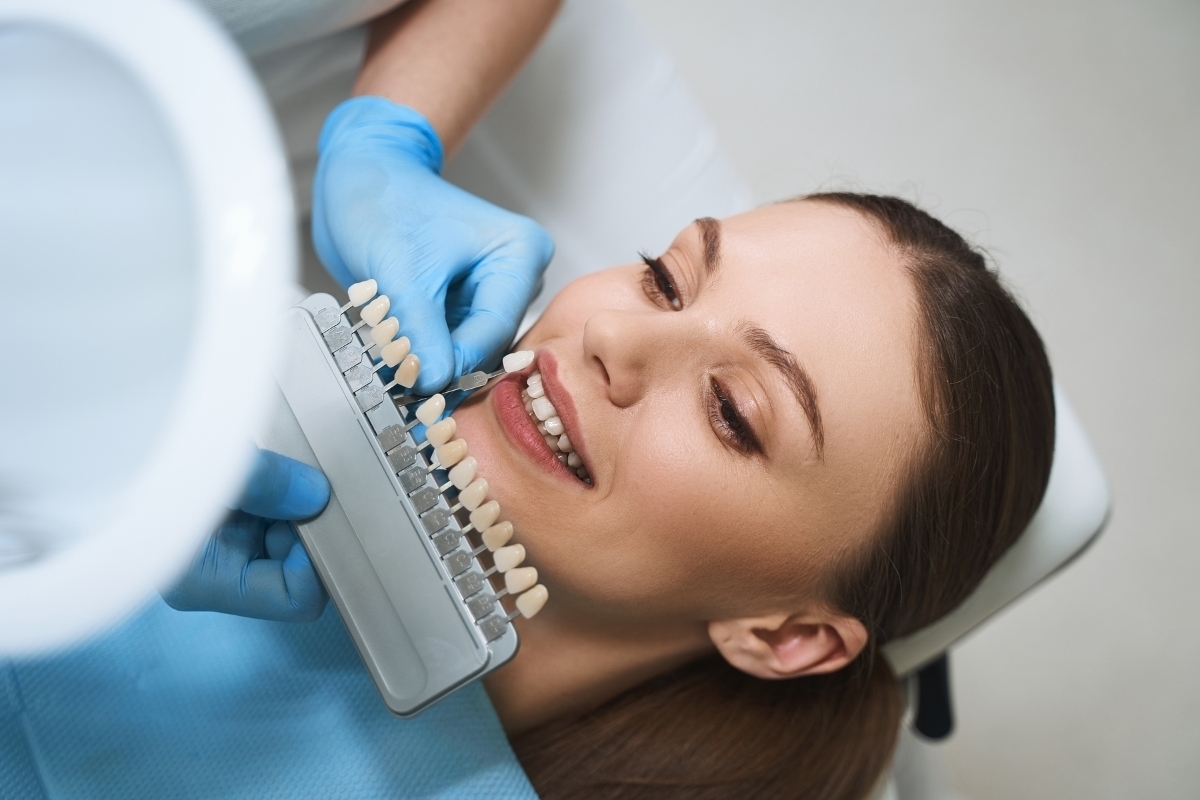

A chipped edge, uneven tooth shape, stubborn discoloration, or a small gap can change how you feel about your smile. Cosmetic dental care can address many of these concerns while maintaining a natural-looking result. Two common options are porcelain shells and tooth-colored composite resin.
At DS Family and Cosmetic Dentistry – By: Dr. Daniel Sluyk, Dr. H Parker help patients understand their options through a careful smile evaluation.
If you are researching veneers in Scottsdale, the first step is identifying what is affecting your teeth, gums, bite, and long-term smile goals.
What Are Porcelain Veneers?
Porcelain veneers are thin, custom-made ceramic shells placed over the front surface of teeth. They can improve the appearance of teeth with visible stains, chips, minor spacing concerns, uneven edges, or irregular shapes.
A dental provider typically removes a small amount of enamel so the restoration can sit naturally against nearby teeth. Digital scans or impressions help create a shape and shade that complement your smile.
This option may be considered when you want to address several front teeth at once or make a more comprehensive cosmetic change. Healthy teeth and gums are essential before moving forward. The American Dental Association notes that decay and active gum disease should be addressed before this treatment.
What Is Dental Bonding?
Dental bonding uses composite resin, a tooth-colored material applied directly to the tooth. The material is shaped, hardened with a curing light, and polished during the visit.
This approach can help improve:
- Small chips or worn edges
- Minor gaps between teeth
- Slightly uneven tooth contours
- Isolated discoloration
- Small cosmetic changes to one or two teeth
Bonding can be a practical choice when the concern is limited, and you prefer a more conservative approach. Composite resin can also be repaired if it chips or wears over time.
Veneers vs. Bonding: The Key Differences
Choosing between these cosmetic procedures involves more than deciding which option looks brighter. Your enamel, bite, habits, goals, and the number of teeth involved all matter.
Material and Appearance
Porcelain veneers are created in a dental laboratory or with in-office technology, then placed after the final restoration is ready. Ceramic has a smooth, translucent quality that can closely reflect natural tooth enamel.
Bonding is shaped directly on the tooth with composite resin. It can blend beautifully with the surrounding teeth, especially when addressing a minor concern.
Treatment Time
Porcelain treatment often takes more than one visit because the final ceramic restoration must be planned and fabricated. Some offices may use digital technology to shorten this timeline.
Bonding is often completed in one appointment. This makes it appealing for patients seeking a focused cosmetic update without multiple visits.
Tooth Preparation
Porcelain treatment usually requires limited enamel adjustment. Because enamel does not grow back, this is an important part of the decision.
Composite bonding may require little to no enamel removal in certain cases. The amount of preparation depends on the tooth’s shape and the correction needed.
Durability and Maintenance
Ceramic is known for resisting stains and maintaining its color well with proper care. However, it can still chip or crack under heavy pressure, such as chewing ice or using teeth to open packages.
Composite resin may pick up stains or show wear sooner, particularly with coffee, tea, tobacco, or frequent biting habits. Bonding can often be touched up or repaired more simply when needed.
How Do Costs Compare?
The cost of cosmetic treatment varies based on the number of teeth, the type of material, the preparation required, the laboratory work involved, and the complexity of your smile goals. A single-tooth correction is different from a full smile enhancement.
Porcelain treatment often involves more planning, laboratory craftsmanship, and appointments. Bonding generally has a different fee structure because it uses directly applied composite resin. Rather than choosing based on price alone, consider which option supports your oral health, appearance goals, and expected maintenance.
Which Option May Fit Your Smile?
A consultation helps determine whether porcelain treatment or bonding makes sense for your needs.
Porcelain may be worth discussing if you want to address:
- Multiple front teeth
- Deep stains that whitening may not change
- Noticeable shape differences
- Several worn, chipped, or uneven teeth
- A broader smile makeover
Composite resin may be a strong fit for:
- One small chip or gap
- A minor contour change
- A short-term cosmetic improvement
- A tooth that may need future adjustments
If you are considering veneers in Scottsdale, ask about your bite, enamel health, clenching habits, and expected upkeep. You can also visit our dental office for a closer look at the shape, shade, and function of your teeth before choosing treatment.
Why a Personalized Smile Evaluation Matters
No cosmetic procedure should begin with a one-size-fits-all plan. A thorough evaluation can identify hidden decay, gum inflammation, grinding, or bite pressure that may affect the result. Your dentist can also explain whether whitening, orthodontic care, or restorative treatment should come first.
For Hoover-area patients seeking clear guidance, it helps to bring photos of smiles you like and explain what you would change about your own smile. This creates a more focused conversation about proportion, color, and tooth shape.
Take the Next Step Toward a More Confident Smile
Both options can create meaningful cosmetic improvements. The right choice depends on your starting point and what you want your smile to achieve over time. DS Family and Cosmetic Dentistry, by Dr. Daniel Sluyk, can help you explore the treatment path that feels right for your goals.
Ready to learn more about veneers in Scottsdale? Book an appointment today for a cosmetic consultation and take the next step toward a smile you feel proud to share.
FAQs
Can veneers fix gaps between front teeth?
They can help close small to moderate gaps by changing the visible width and shape of teeth. A consultation can confirm whether your spacing, bite, and gum health support this approach.
Can bonding repair a chipped front tooth?
Yes. Bonding can restore a small chip by adding and shaping tooth-colored composite resin. Your provider can match the material to your natural shade and polish it for a smooth finish.
Do porcelain restorations look natural?
When properly planned, ceramic can reflect light in a way that resembles tooth enamel. The color, shape, and size should be selected to blend with your facial features and surrounding teeth.
Does cosmetic treatment hurt?
Most patients report little discomfort. If tooth preparation is needed, your dentist can discuss comfort options before treatment begins and explain what to expect during each visit.
Can I whiten my teeth after treatment?
Whitening does not change the color of porcelain or composite resin. If you are considering whitening, it is often helpful to discuss it before selecting the shade for cosmetic work.
How do I care for my new smile?
Brush twice daily with fluoride toothpaste, clean between teeth daily, and keep regular checkups. Avoid biting hard objects, and wear a protective nightguard if you clench or grind your teeth.