

Categories
Recent Posts

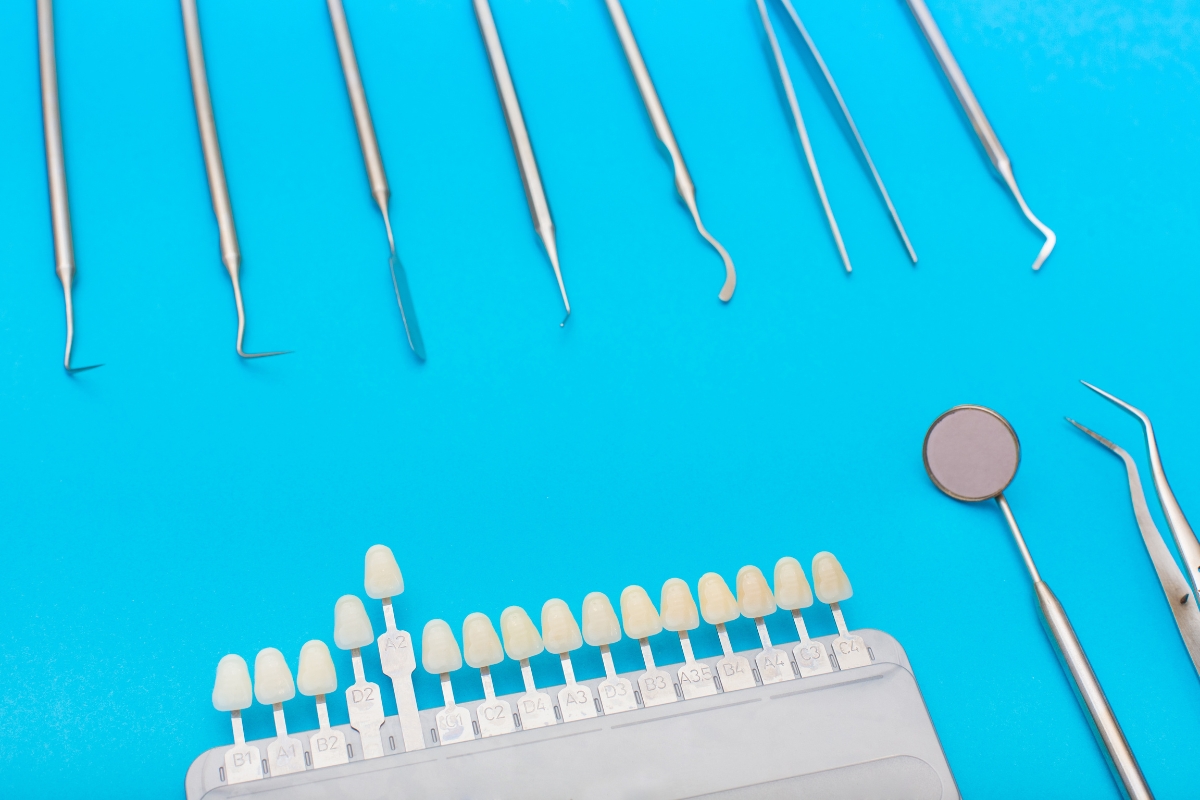

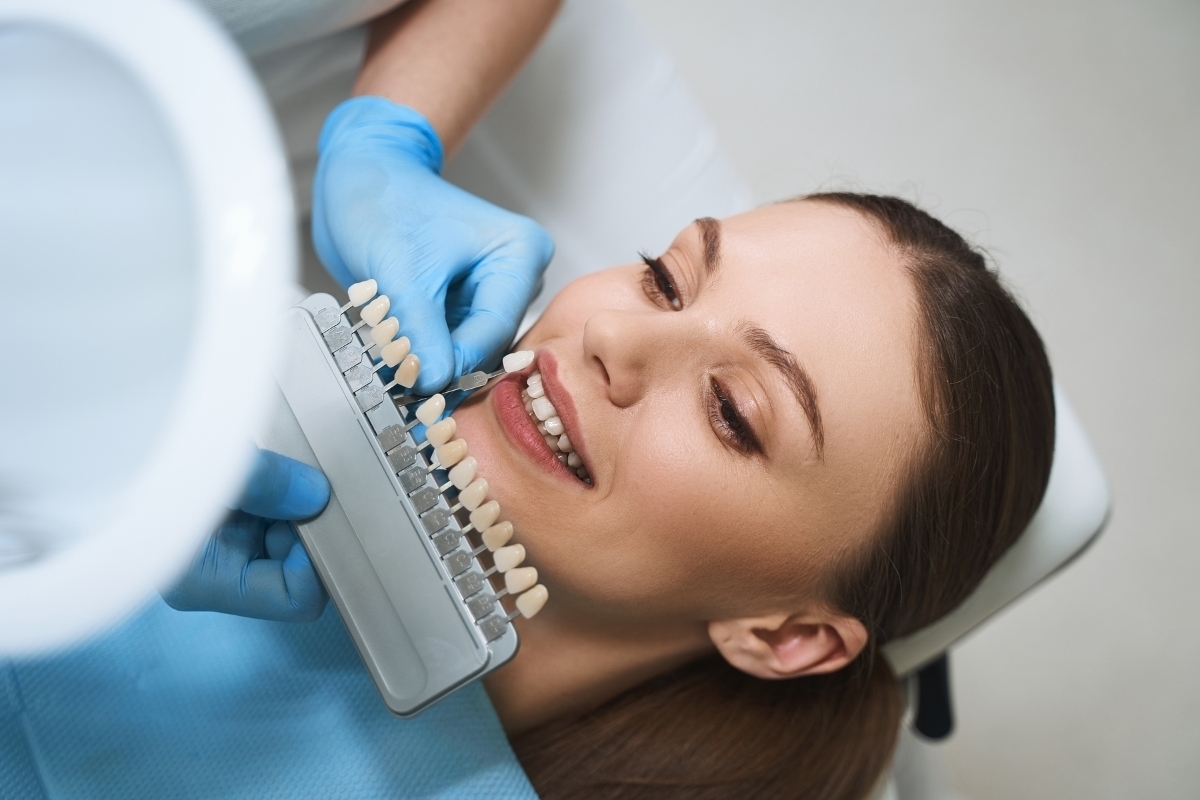
A bright smile can leave a lasting impression. Yet many people notice their teeth becoming darker, yellow, or stained over time. Coffee, tea, wine, tobacco, certain medications, and even aging can affect the appearance of your teeth.
If you’ve been searching for how to remove dental stains in Scottsdale, understanding what causes stains and how to treat them is the first step toward a cleaner, brighter smile.
At DS Family and Cosmetic Dentistry – By: Dr. Daniel Sluyk, patients often ask what they can do to remove stubborn discoloration and maintain a whiter smile. The answer depends on the type of stain, its severity, and your long-term cosmetic goals.
In this guide, a trusted cosmetic dentist shares five practical tips to improve the appearance of stained teeth and explains when professional cosmetic treatment may be the right solution.
What Causes Tooth Stains?
Before discussing treatment options, it helps to understand the common causes of teeth stains.
Tooth discoloration often develops due to:
- Coffee, tea, and red wine consumption
- Tobacco use
- Dark-colored foods and beverages
- Certain medications
- Poor oral hygiene habits
- Natural aging
- Enamel wear over time
Many patients who ask, “Why are my teeth yellow?” are often experiencing a combination of enamel thinning and years of exposure to items that cause staining.
Understanding the Different Types of Tooth Stains
Not all stains are the same. In general, there are two primary types of teeth stains:
Extrinsic Stains
These stains develop on the outer enamel surface. They are commonly caused by foods, beverages, and tobacco products.
Intrinsic Stains
These stains occur deeper inside the tooth structure and can result from aging, trauma, medications, or developmental factors.
The type of stain often determines which treatment will be most effective.
Tip #1: Improve Your Daily Oral Hygiene Routine
One of the simplest ways to reduce surface stains is by maintaining consistent oral hygiene habits.
Brush at least twice daily using a fluoride toothpaste and floss every day. Removing plaque and surface buildup helps in preventing stains from becoming more noticeable.
While brushing alone may not eliminate deeper discoloration, it can significantly improve the appearance of mild staining and help preserve whitening results.
A cosmetic dentist will often recommend routine preventive care as the foundation for maintaining a brighter smile.
Tip #2: Limit Foods and Drinks That Cause Staining
Certain beverages and foods are well known for causing discoloration.
Common staining culprits include:
- Coffee
- Black tea
- Red wine
- Dark sodas
- Sports drinks
- Tomato-based sauces
- Berries
You do not necessarily need to eliminate these items completely. Drinking water after consuming them and using a straw when appropriate can help reduce contact with tooth enamel.
This is also one of the most effective ways for patients wondering how to prevent teeth stains from developing in the future.
Tip #3: Consider Professional Teeth Whitening
For many patients, professional whitening remains one of the most effective methods for improving tooth color.
Unlike over-the-counter products, professional whitening treatments are designed to address deeper discoloration while being monitored by a dental professional.
Patients seeking dental stain removal in Scottsdale through professional cosmetic treatments often choose whitening because it can noticeably brighten teeth in a relatively short period.
A cosmetic dentist can evaluate your teeth and determine whether whitening is likely to produce the results you want.
Tip #4: Address Brown Stains Before They Become More Severe
Many patients ask how to get rid of brown stains on teeth when discoloration becomes increasingly noticeable.
Brown stains may develop from long-term exposure to tobacco, coffee, tea, or accumulated tartar. In some situations, tooth discoloration may indicate deeper staining that cannot be removed with brushing alone.
Professional cleanings can often remove certain surface stains, while cosmetic treatments may be recommended for more persistent discoloration.
At DS Family and Cosmetic Dentistry – By: Dr. Daniel Sluyk, patients receive a thorough evaluation to determine the source of staining and identify the most appropriate treatment option.
Tip #5: Explore Veneers for Long-Term Cosmetic Improvement
Not every stain responds predictably to whitening treatments.
For patients with deep intrinsic stains, enamel defects, or long-standing discoloration, porcelain veneers may provide a more comprehensive cosmetic solution.
Veneers are thin porcelain restorations that are bonded to the front surfaces of teeth to improve their appearance. They can help conceal discoloration while also addressing concerns such as chips, minor gaps, and uneven tooth shapes.
According to Dr. Sluyk, veneers are often considered when patients want a more dramatic and long-lasting smile enhancement that goes beyond whitening alone.
A cosmetic dentist can determine whether veneers are appropriate based on your oral health and cosmetic goals.
When Should You See a Cosmetic Dentist for Stained Teeth?
If stains persist despite good oral hygiene habits, it may be time to seek professional evaluation.
A cosmetic dentist can determine:
- The cause of the discoloration
- Whether the stains are internal or external
- Which cosmetic options may be most effective
- Whether whitening, veneers, or another treatment would be appropriate
Seeking treatment early may provide more options and help prevent further aesthetic concerns.
Restore Confidence in Your Smile
Tooth discoloration can affect the way you feel about your appearance, but modern cosmetic dentistry offers several solutions that can help improve your smile.
Whether your stains are caused by years of coffee consumption, aging, or deeper internal discoloration, understanding how to remove dental stains in Scottsdale begins with a professional evaluation.
At DS Family and Cosmetic Dentistry – By: Dr. Daniel Sluyk, patients receive personalized guidance on whitening treatments, veneers, and other cosmetic options designed to create brighter, more confident smiles. If you are concerned about tooth discoloration, Dr. Sluyk can help identify the cause and recommend the most appropriate cosmetic treatment for your goals.