
Categories
Recent Posts

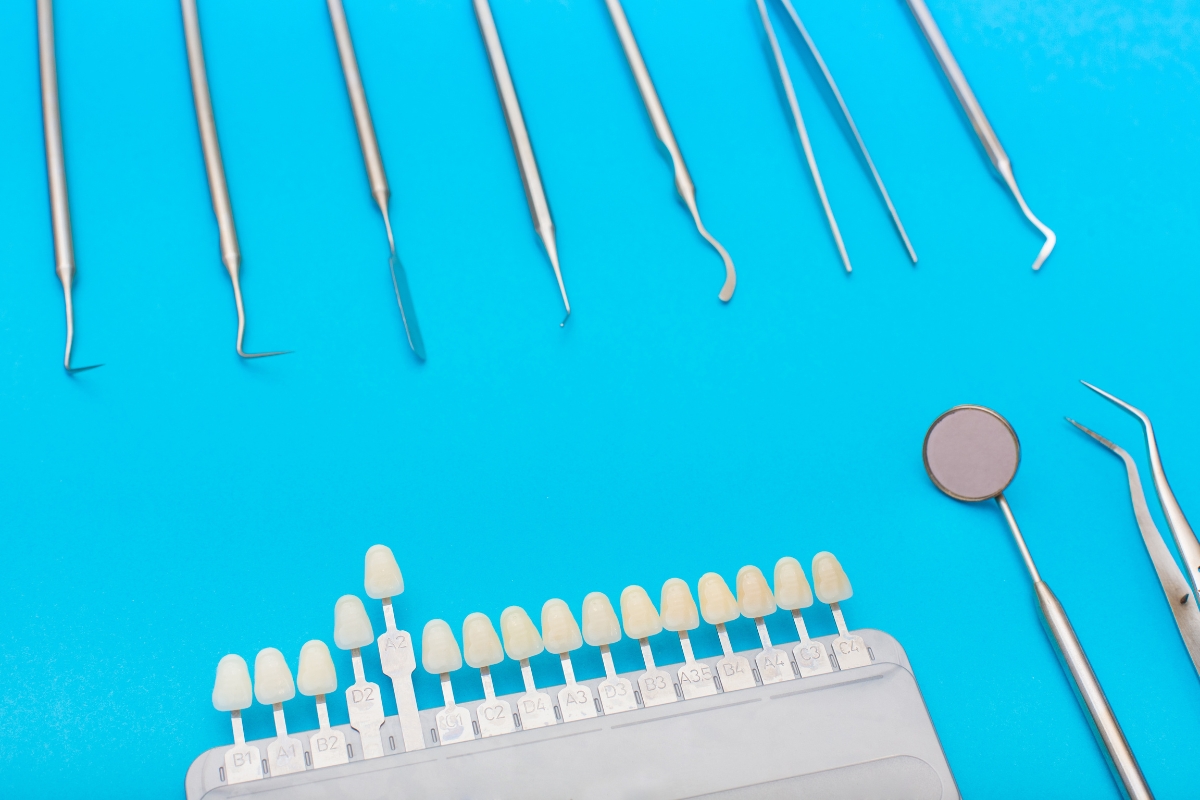

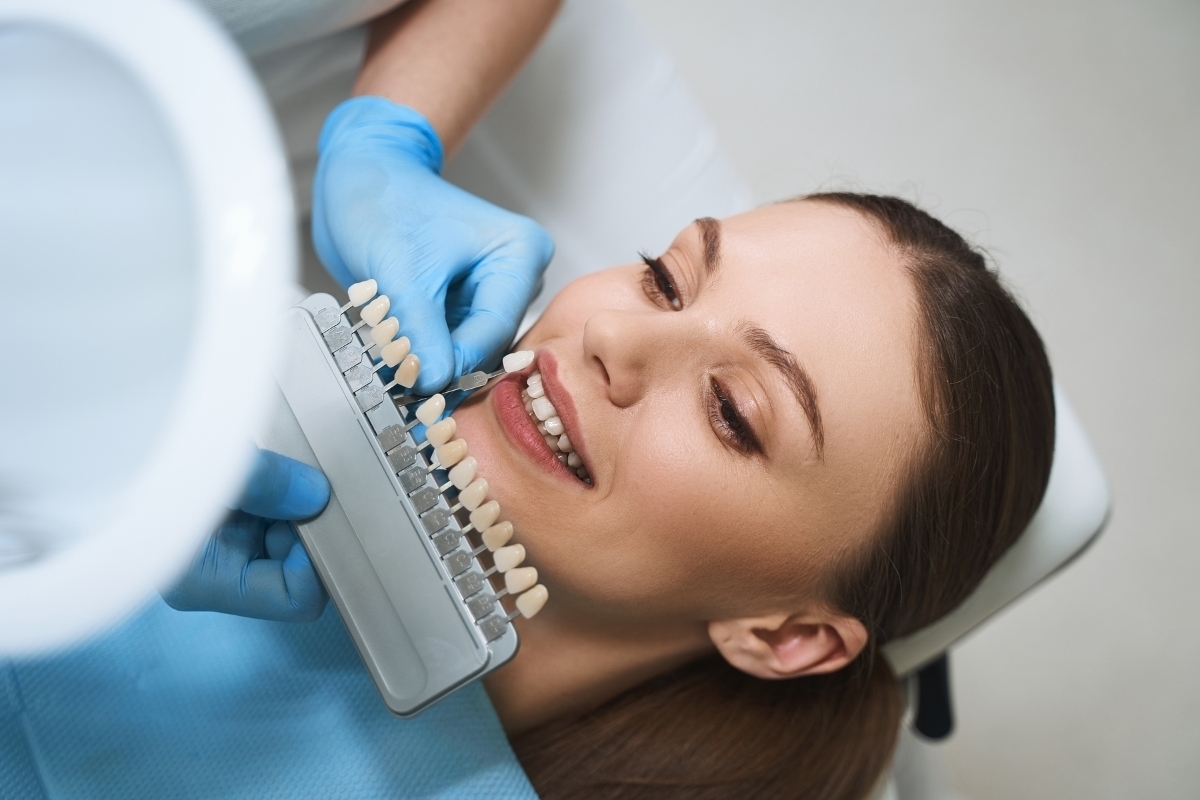
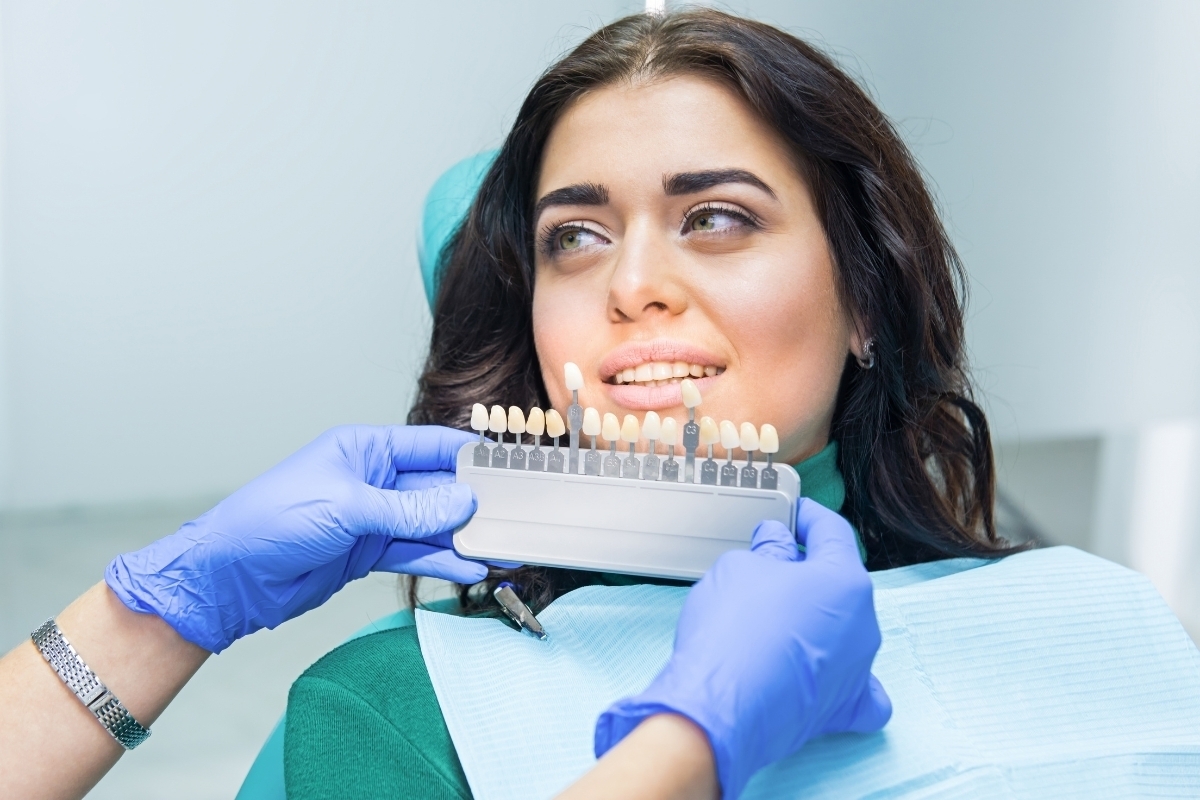
Veneers are ultra-thin shells of dental ceramic custom-crafted to bond to the front surfaces of your teeth, instantly concealing discoloration, chips, minor misalignments, or uneven gaps. When designed and bonded using modern adhesive protocols, porcelain veneers’ lifespan typically spans between 10 to 15 years, with clinical studies demonstrating long-term survival rates exceeding 95% over a decade. However, achieving maximum longevity requires proper daily maintenance, structural protection, and avoiding preventable mechanical wear.
At DS Family and Cosmetic Dentistry – By: Dr. Daniel Sluyk, we specialize in designing customized, ultra-natural porcelain restorations that elevate your confidence while preserving your structural oral health. Led by Dr. Daniel Sluyk, our practice combines artistic precision with advanced restorative techniques to deliver transformations tailored to your unique anatomical profile. If you are ready to enhance your smile with durable, personalized care, visit our dental office today for a comprehensive cosmetic evaluation.
What Determines the Lifespan of Porcelain Veneers?
How long do veneers last under ideal clinical and personal conditions? These veneers generally last between 10 to 20 years before requiring routine maintenance or replacement. Their exceptional longevity stems from the high tensile strength of modern dental ceramics, such as lithium disilicate, and the molecular micro-bonding process that fuses the porcelain shell directly to natural enamel.
A systematic review published in the Journal of Clinical Medicine (indexed by the National Institutes of Health) evaluated over 6,500 porcelain laminate veneers and reported a 10-year cumulative survival rate of 95.5%. The long-term clinical outcome of your investment depends on several core variables:
- Enamel Preservation: Veneers bonded primarily to natural enamel yield significantly higher retention and shear-bond strength than restorations bonded to exposed dentin.
- Material Selection: Modern high-strength glass-ceramics offer superior resistance to micro-fractures compared to older feldspathic materials.
- Occlusion & Bite Alignment: Even distribution of bite forces prevents localized stress concentrations that lead to ceramic chipping.
- Periodontal Health: Firm, healthy gum tissue supports proper marginal seal integrity and keeps underlying root structure protected.
Common Mistakes That Shorten Your Veneers’ Lifespan
While high-grade dental porcelain is remarkably tough, specific everyday habits and mechanical stressors can compromise the integrity of the ceramic shells or the adhesive resin holding them in place.
Unmanaged Bruxism and Nighttime Teeth Grinding
Nighttime clenching or grinding exerts compressive force that far exceeds normal chewing pressure. Over time, unmanaged lateral forces cause flexure at the tooth-veneers junction, leading to marginal leakage or catastrophic ceramic fractures. Custom-fitted occlusal nightguards isolate these forces, neutralizing destructive pressure.
Using Abrasive Toothpastes or Hard Bristles
Many commercially available “whitening” toothpastes contain abrasive particles like silica or baking soda. While porcelain itself is scratch-resistant, harsh abrasives scratch the protective glaze over time and dull the surrounding composite bonding line, encouraging micro-staining along the margin.
Using Your Restorations as Tools
Opening plastic packaging, biting fingernails, or cracking ice cubes creates point-concentrated force. Because porcelain excels under compressive forces but is more vulnerable to torsional or shear forces, using front teeth as tools significantly increases the risk of edge micro-chipping.
Caring for Porcelain Veneers: Everyday Maintenance
Understanding how to make veneers last longer involves adopting a proactive daily routine that protects both the ceramic surface and the surrounding biological structures.
Daily Oral Hygiene Protocols
Proper caring requires non-abrasive hygiene products and thorough interdental cleaning:
- Brush Twice Daily: Use a soft-bristled manual or sonic toothbrush paired with a non-abrasive gel toothpaste containing fluoride.
- Floss Daily: Clean between restored teeth every day. Dental floss or interdental brushes remove plaque biofilm along the gingival margin, preventing gum inflammation that could lead to tissue recession.
- Alcohol-Free Rinses: Choose therapeutic, alcohol-free mouthwashes, as prolonged exposure to alcohol can slowly soften the micro-matrix of composite bonding agents.
Lifestyle and Diet Considerations
When considering long-term veneers maintenance, lifestyle factors play a key role in keeping restorations clean and sound. A common patient question is: do veneers stain over time? High-grade dental porcelain is non-porous and naturally stain-resistant, meaning dark liquids like espresso or red wine will not discolor the ceramic itself. However, the underlying natural tooth structure and exposed micro-bonding margins can stain if hygiene is neglected.
Additionally, patients frequently ask: can veneers chip under daily wear? While ceramic is resilient, biting directly into extremely hard foods, such as hard candy, unpopped popcorn kernels, or dense artisan crusts, can shear the delicate incisal edges. Cutting tough or crunchy foods into smaller pieces minimizes stress on front teeth.
Whether you enjoy fresh local citrus from the Old Town Scottsdale Farmers Market or indulge in dinner around the Scottsdale Waterfront, practicing smart dietary habits keeps your restorations safe without restricting your lifestyle.
Diagnostic Comparison: Porcelain Veneers vs. Alternative Cosmetic Procedures
Selecting the right cosmetic approach depends on your unique aesthetic goals, anatomical structure, and lifestyle factors.
| Treatment Modality | Expected Lifespan | Primary Benefit | Care Considerations |
| Porcelain Veneers | 10–20 Years | Highly durable, stain-resistant, fully customized shape/shade | Requires minimal enamel preparation & custom nightguard protection |
| Composite Bonding | 5–7 Years | Single-visit procedure, repairable direct resin | More susceptible to surface staining & gradual edge wear |
| Dental Crowns | 10–15+ Years | Complete 360-degree coverage for structurally compromised teeth | Requires greater natural tooth reduction |
How to Protect Dental Veneers in the Desert Climate
Living in North Scottsdale presents unique environmental factors that can subtly affect oral health. The dry Sonoran Desert air often contributes to chronic dry mouth (xerostomia). Saliva plays a crucial protective role by washing away food debris and maintaining a neutral pH that neutralizes oral acids. Reduced salivary flow increases plaque accumulation along the gumline, raising the risk of marginal tooth decay under restorations.
Staying hydrated during outdoor recreation helps preserve normal salivary function and maintains healthy tissue around your smile investment.
Transform and Protect Your Smile in Scottsdale
Achieving a lasting smile transformation relies on a foundation of rigorous clinical precision, advanced materials, and individualized patient care. Knowing how long veneers last empowers you to take proactive steps to maintain your results for decades to come.
If you are considering cosmetic enhancement or wish to evaluate existing restorations, we invite you to book an appointment with DS Family and Cosmetic Dentistry – By: Dr. Daniel Sluyk. Our team conducts thorough diagnostic evaluations, assessing facial symmetry, lip line dynamics, bite alignment, and structural enamel density to craft custom porcelain restorations tailored to your needs.
Schedule your consultation today to explore your personalized path toward a beautiful, healthy smile.
FAQs
How long do veneers last on average?
High-quality porcelain veneers typically last 10 to 20 years. Their true lifespan depends on high enamel preservation, proper bonding protocols, non-abrasive home hygiene, and protecting them from teeth-grinding habits.
Can a chipped or cracked veneer be repaired?
Minor chips in composite resin can sometimes be smoothed, but fractured porcelain veneers generally require complete replacement to maintain structural bond strength, seamless marginal seal, and optimal long-term aesthetics.
Do porcelain veneers damage your natural underlying teeth?
No, conservative veneer preparations remove only a microscopic layer of surface enamel (typically 0.3mm to 0.5mm). This preserves maximum sound tooth structure while creating a strong adhesive bond.
How do I know if my veneers need replacement?
Signs that a veneer needs replacing include visible chipping, marginal discoloration, feeling looseness along the bond, or gum recession that exposes the natural tooth root underneath the restoration edge.
Are porcelain veneers completely stain-proof?
Porcelain ceramic is non-porous and highly resistant to surface stains. However, the microscopic bonding resin at the edges can discolor over time if exposed to heavy staining agents and poor hygiene.
Can I still get cavities if I have porcelain veneers?
While the ceramic shell cannot decay, the natural tooth behind and beneath the veneer remains vulnerable to root or marginal cavities if plaque builds up along the gumline.
Do I need to wear a nightguard with veneers?
If you exhibit signs of nocturnal bruxism, wearing a custom nightguard is essential. It cushions biting impact and prevents excessive forces from shearing or fracturing delicate ceramic edges.