
Categories
Recent Posts


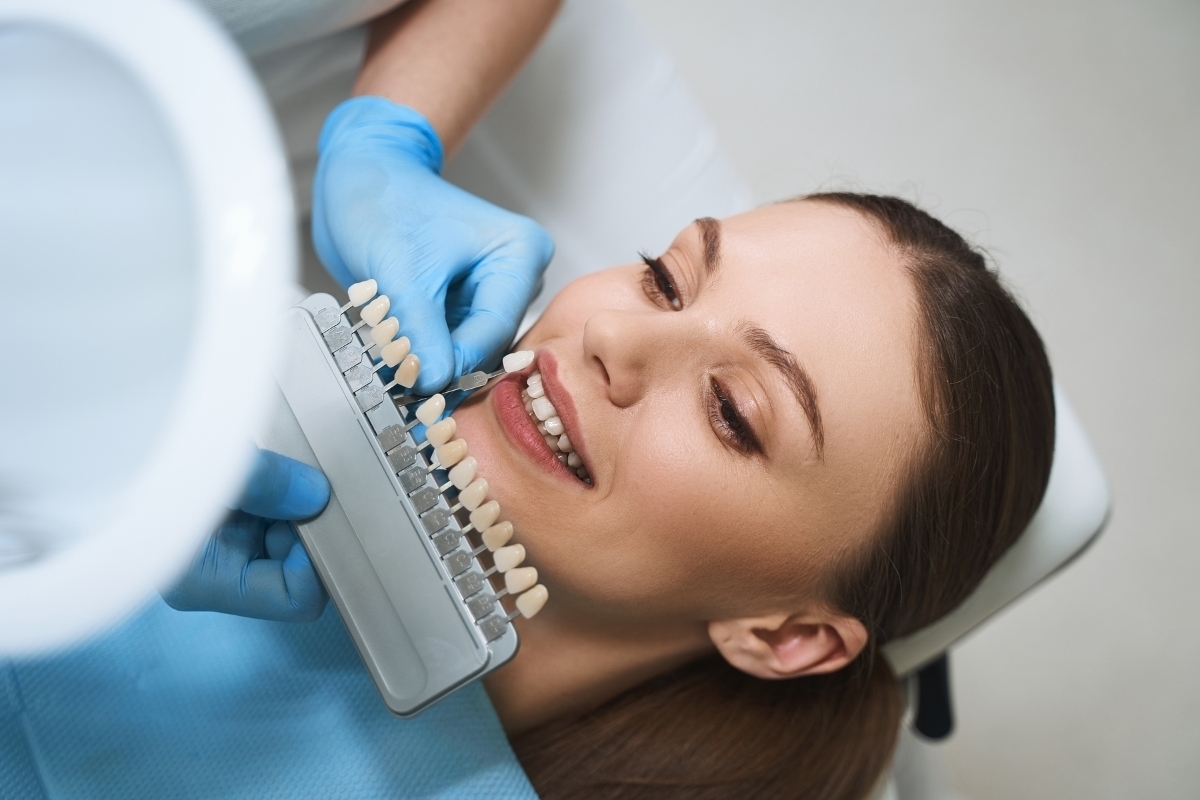
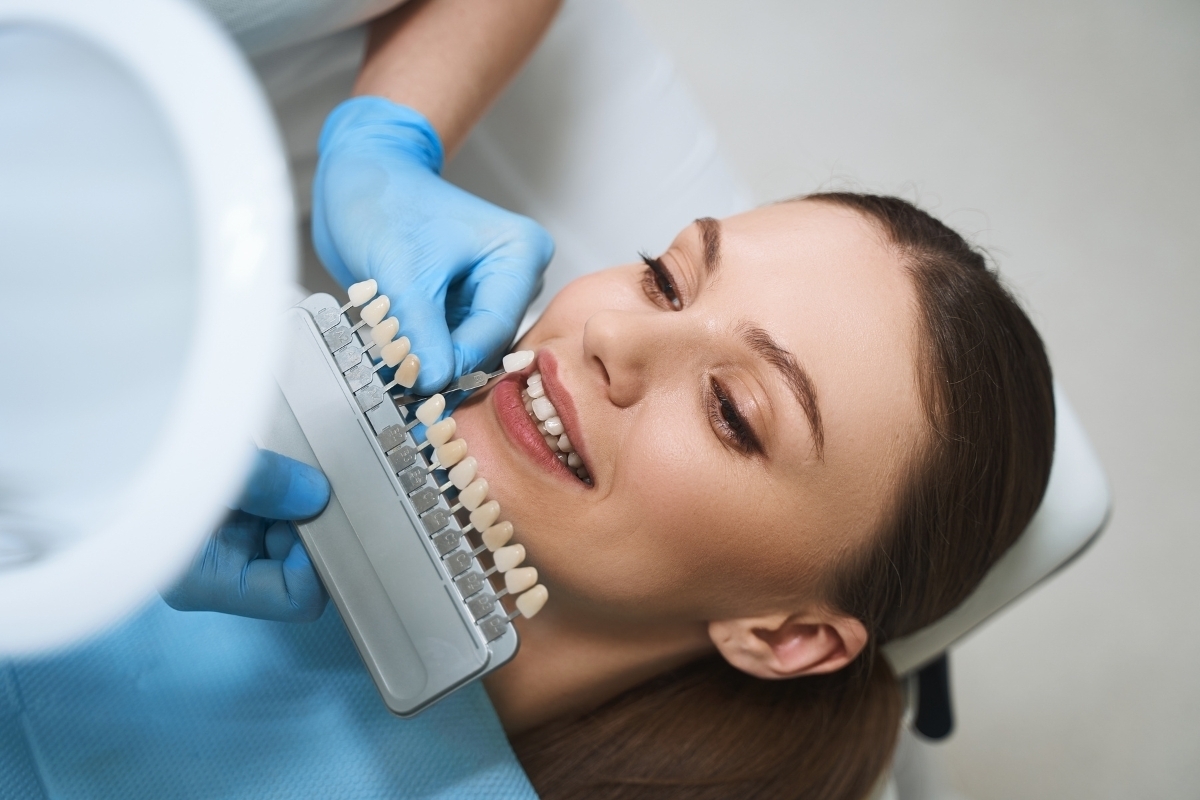
You finally decided to look into veneers, maybe you’ve been hiding your smile in photos for years, or you’ve just grown tired of feeling self-conscious every time you laugh. Whatever brought you here, you’re not alone. Every day, patients walk into our Scottsdale office with the same question: “How do I make sure my veneers don’t look fake?”
It’s a fair concern. We’ve all seen those ultra-bright, almost glowing smiles that scream “veneers.” The truth is, when done right, veneers should be virtually indistinguishable from your natural teeth. And it all starts with one critical decision, choosing the right shade. Knowing how to choose veneer shade in Scottsdale is one of the most important steps in your cosmetic smile journey, and we want to make sure you feel confident going into it.
Why Veneer Shade Matters More Than You Think
Many people assume that “white” is white that all veneers look the same. But tooth shades are far more nuanced than that. A shade that looks brilliant under the dental office lights might appear stark and unnatural in your everyday environment. Getting the shade right means finding a balance between the brightness you want and the look that fits your face, skin tone, and lifestyle.
This is one reason it pays to work with an experienced cosmetic dentist when considering veneers in Scottsdale. A skilled provider won’t just hand you a shade guide and let you guess they’ll walk you through the entire process with your goals in mind.
Understanding the Shade Guide: What Do Those Numbers and Letters Mean?
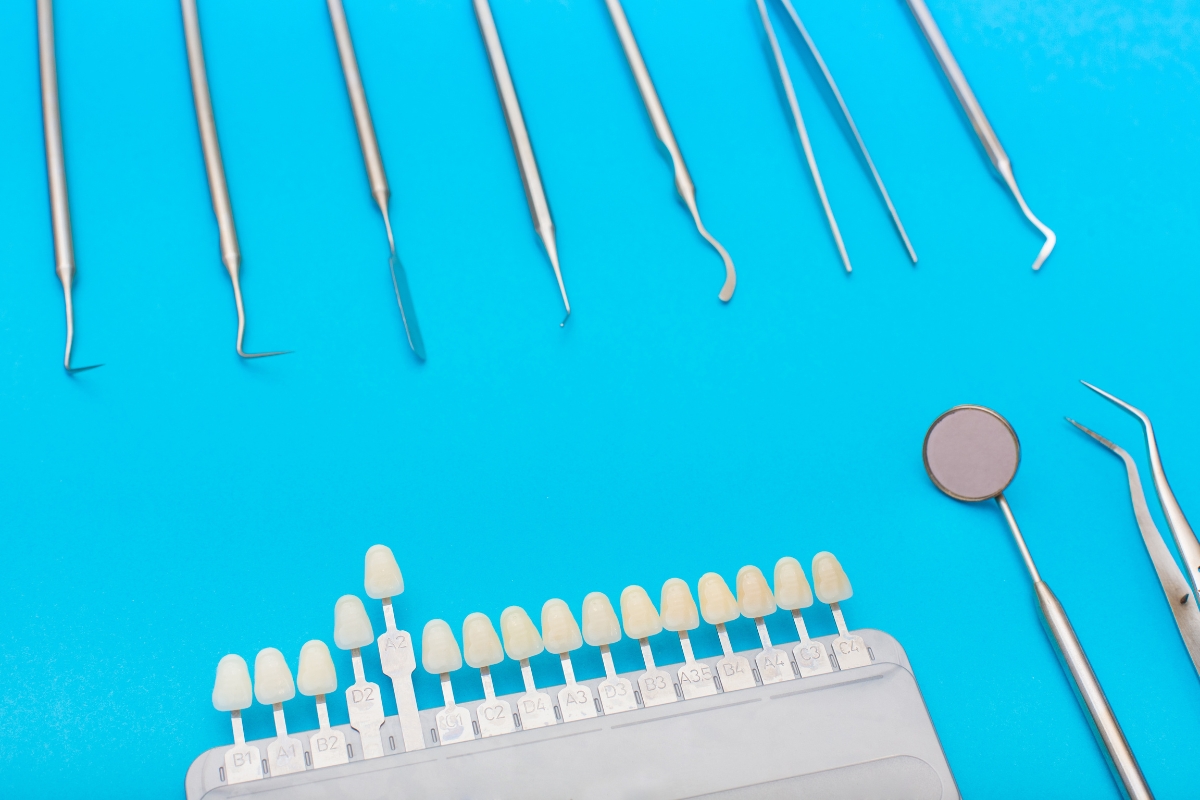
Dentists use a standardized system called the VITA shade guide to classify tooth colors. It’s broken into four main groups:
- A shades — Reddish-brown tones
- B shades — Reddish-yellow tones
- C shades — Gray tones
- D shades — Reddish-gray tones
Each group runs from light to dark (1 being the lightest). For most veneer patients, shades in the A1 to B1 range tend to produce the most natural-looking results. Going beyond BL1 or BL2 (the bleach-level whites) can sometimes look artificial unless it complements your complexion.
How to Pick the Right Veneer Color for Your Face
When thinking about how to pick veneer color, there’s no universal right answer but there are a few practical rules of thumb that make a big difference.
1. Match the Whites of Your Eyes
One of the most commonly used guidelines in cosmetic dentistry is to avoid choosing a shade that’s whiter than the whites of your eyes. The sclera (white part) of the eye gives a natural reference point. Veneers that exceed that level of brightness can actually make your smile look less natural, not more.
2. Consider Your Skin Tone
Skin tone plays a larger role than most people expect:
- Fair or cool-toned skin tends to look great with slightly cooler, more neutral whites (like A1 or BL2).
- Medium or olive skin pairs well with warm ivory shades (A1 to A2).
- Darker skin tones can carry brighter whites beautifully and often look stunning with high-contrast shades.
3. Think About Your Age
As we age, teeth naturally darken slightly. Extremely white veneers on an older patient can sometimes look inconsistent with the rest of their facial features. A slightly warmer shade often creates a more believable, age-appropriate result.
4. Look at It in Natural Light
Dental lighting is very different from sunlight or indoor home lighting. Ask your dentist if you can step outside or view sample shades under natural light. What looks great under clinical fluorescents may appear starkly different at a dinner table.
What Shade Should Veneers Be? A Realistic Expectation
One of the most common questions we hear is what shade should veneers be and the honest answer is: the shade that makes you feel confident without looking like you’re wearing a costume.
For most patients, the sweet spot sits somewhere between A1 and BL2. These shades deliver a noticeably brighter smile while still appearing realistic. If your goal is a dramatic transformation, your dentist can help you achieve that — but they’ll also make sure the result flatters your overall appearance rather than overpowering it.
The key to natural looking veneers shade selection is subtlety. A good cosmetic dentist will often use trial veneers (also called mock-ups or temporaries) so you can literally preview your new smile before anything is permanently placed.
The Role of Your Dentist in Shade Selection
This isn’t a decision you have to make alone. A great cosmetic dentist will factor in:
- Your existing teeth — Do you need to match adjacent teeth, or is the full smile being transformed?
- The material — Porcelain reflects light similarly to natural enamel, while composite may look slightly different.
- Digital imaging — Many practices use smile simulation software so you can see a digital preview before committing.
At DS Family and Cosmetic Dentistry, Dr. Daniel Sluyk takes a thorough, patient-first approach to every shade consultation. The goal is always to give you the confidence to smile without hesitation.
Tips to Prepare for Your Veneer Shade Consultation
Before your appointment, here are a few things you can do to make the most of your consultation:
- Bring inspiration photos — Screenshots of smiles you admire give your dentist a clear sense of your aesthetic goals.
- Avoid heavy makeup or bronzer — Your natural skin tone helps the dentist make a more accurate shade recommendation.
- Be honest about your lifestyle — If you drink coffee, red wine, or smoke, your dentist needs to factor in long-term staining potential.
- Ask questions — There are no bad questions when it comes to a decision that affects your appearance and confidence.
Ready to Find Your Perfect Shade?
Choosing the right veneer shade is part science, part art and it makes all the difference between a smile that looks transformed and one that looks authentically yours. If you’re ready to take the next step, the team at DS Family and Cosmetic Dentistry — By: Dr. Daniel Sluyk is here to guide you through every detail with care and precision.
Schedule your veneer consultation today and let’s find the shade that makes your smile shine naturally.
Frequently Asked Questions
Q: Can I choose whatever veneer shade I want, or does my dentist decide?
Shade selection is a collaborative process. Your dentist will offer professional guidance based on your skin tone, facial features, and existing teeth, but the final choice is yours.
Q: Will my veneers look different from my other teeth?
If only some teeth are getting veneers, your dentist will carefully match the shade to your surrounding teeth. Full-smile veneers offer more flexibility in shade selection.
Q: How do I know if my veneer shade will look natural?
Your dentist may use temporary veneers or digital simulation tools to preview the result. Viewing the shade in natural light rather than only under dental lighting also helps.
Q: Do porcelain veneers stain over time?
Porcelain veneers are highly stain-resistant, but the edges can discolor over time with heavy coffee, tea, or tobacco use. Maintaining good oral hygiene helps preserve the shade.
Q: Is it possible to change veneer shade after they’ve been placed?
Once porcelain veneers are bonded, the shade cannot be changed without replacing them. This is why it’s so important to get the shade right before placement.