
Categories
Recent Posts

Snowbird Season Is Here: How Winter Visitors Can Keep Their Smiles Healthy While Calling Scottsdale Home
October 23, 2026

Sports Drinks, Pool Days, and Sneaky Cavities: A Scottsdale Parent's Guide to Kids' Teeth in the Desert
October 14, 2026
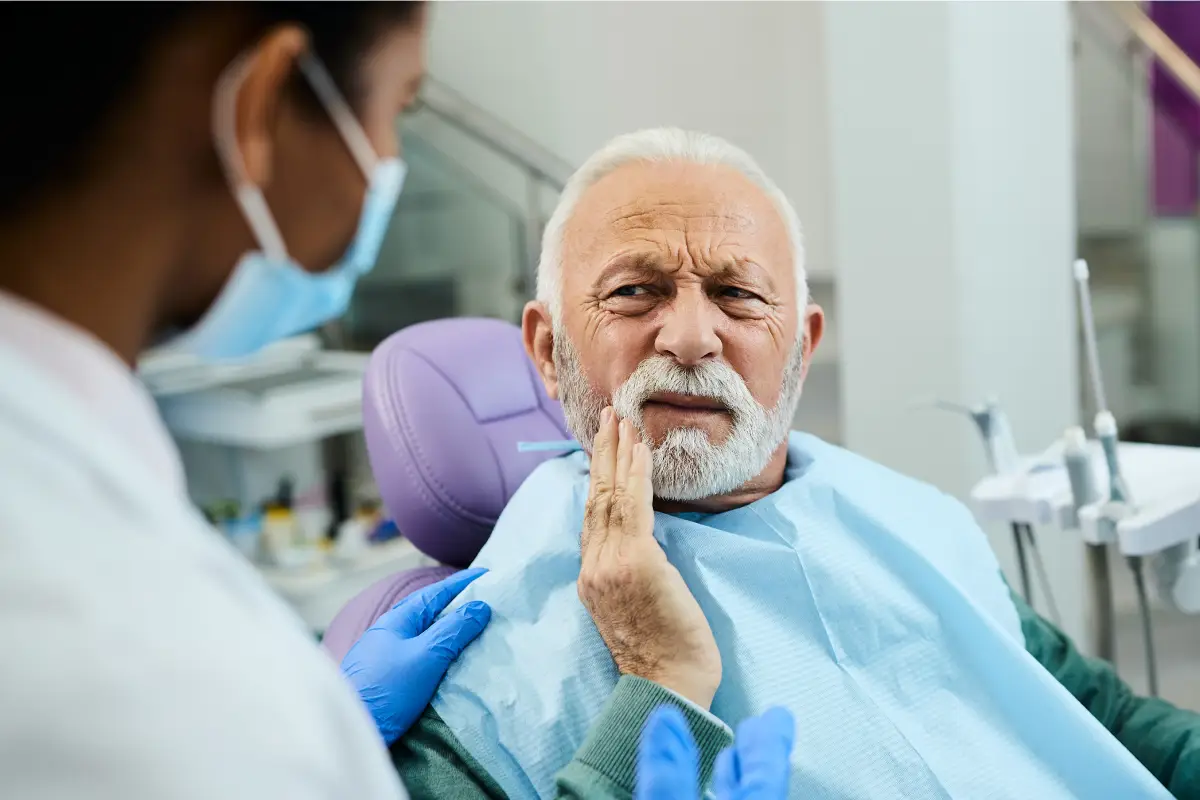
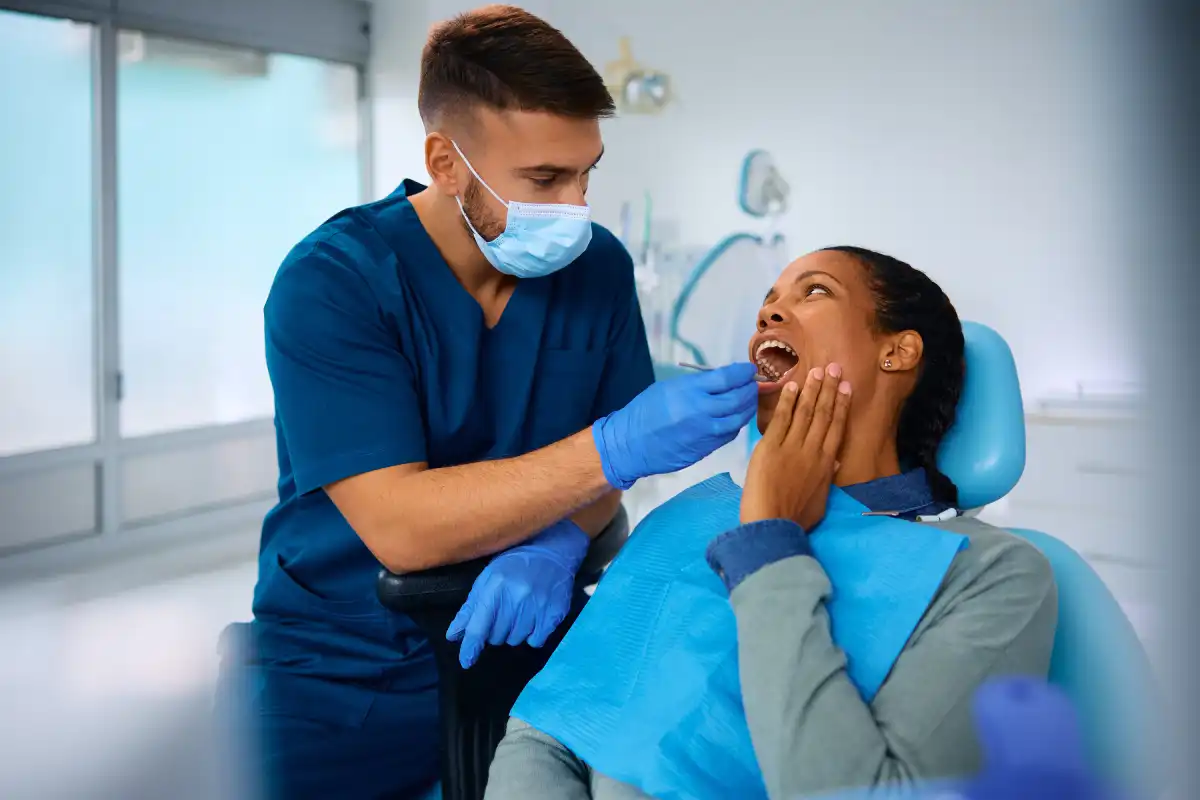
You bite into something ordinary, a bagel, a handful of almonds, a crisp apple, and feel a sharp zing in one tooth. Then it’s gone. A few days later it happens again. You can’t see anything wrong when you look in the mirror.
That sneaky, on-and-off pain is one of the most common signs of a cracked tooth. And one of the most common causes may surprise you: a habit many people don’t even know they have.
The Hidden Habit: aClenching and Grinding
Clenching and grinding, called bruxism, puts enormous force on your teeth. Many people do it in their sleep. Others do it during the day while driving the Loop 101, working at a computer, lifting weights, or concentrating on a tough putt.
Over time, that pressure can:
- Wear teeth down so they look shorter and flatter
- Create tiny cracks that slowly grow deeper
- Break off chunks of teeth, especially those with large old fillings
- Cause jaw soreness, tension headaches, and sensitive teeth
Stress plays a big role, and life in a fast-moving city doesn’t always help. The good news is that teeth affected by grinding can be protected and restored.
Signs You Might Have a Cracked Tooth
- Sharp pain when you bite down, especially when you release the bite
- Sensitivity to hot, cold, or sweet foods that comes and goes
- Pain that’s hard to pin to one specific tooth
- Swelling of the gum around one tooth
- A visible line or chipped edge
Cracks can be tough to spot, even on X-rays. A careful exam is often the best way to find them.
Why a Crown Is Often the Best Fix
A dental crown is a custom cap that covers the entire visible part of a tooth. Think of it as a helmet. It holds a cracked tooth together, spreads out biting force, and keeps the crack from spreading deeper toward the root.
Crowns are also commonly used to:
- Restore teeth with large fillings that no longer have enough healthy structure
- Protect teeth after a root canal
- Rebuild teeth that are badly worn from grinding
- Restore dental implants
- Improve the shape or color of a tooth as part of a smile makeover
Why Timing Matters
A crack caught early can often be saved with a crown. A crack that keeps spreading can reach the nerve and require a root canal, or it may split the tooth so badly that it can’t be saved. If you’re feeling that “bite and zing” pain, don’t wait for it to get worse.
Natural-Looking Crowns Designed for Your Smile
Dr. Sluyk has always been drawn to the artistic side of dentistry. That’s one reason crown work matters so much to him. A crown on a front tooth should blend in seamlessly, and even a back tooth crown should match your bite and the color of the teeth around it.
Here’s what the process typically looks like:
- Exam and diagnosis. We find the problem and explain your options.
- Preparation. The tooth is numbed and gently shaped to make room for the crown.
- Temporary crown. You’ll wear a temporary while your custom crown is made.
- Final crown. Your permanent crown is checked for fit, color, and bite, then bonded in place.
Protecting Your Investment
If grinding caused the damage, it can damage the new crown too. Dr. Sluyk may recommend a custom night guard to protect your teeth and dental work while you sleep. Store-bought guards are one-size-fits-most and can sometimes make jaw strain worse, while a custom guard is made for your bite.
With good care, a well-made crown can last 10 to 15 years or longer.
Stop Ignoring That Zing
If one of your teeth hurts when you bite, or you know you grind, call or text (480) 367-0300. We welcome patients from North Scottsdale, the Airpark, Kierland, Grayhawk, and nearby communities. Financing through Cherry and Sunbit can help make treatment fit your budget.
Frequently Asked Questions
1. Does getting a crown hurt?
The tooth is completely numbed before we begin, so most patients feel pressure but not pain. Some notice mild sensitivity for a few days afterward.
2. How long does a dental crown last?
With good brushing, flossing, regular checkups, and a night guard if you grind, crowns commonly last 10 to 15 years or more.
3. Can a cracked tooth heal on its own?
No. Unlike a broken bone, a cracked tooth can’t repair itself. Treatment stops the crack from spreading and protects what’s left of the tooth.
4. Will my insurance cover a crown?
Many dental plans cover a portion of crowns when they’re needed to restore a damaged tooth. We’ll help you understand your benefits before treatment.