

Categories
Recent Posts

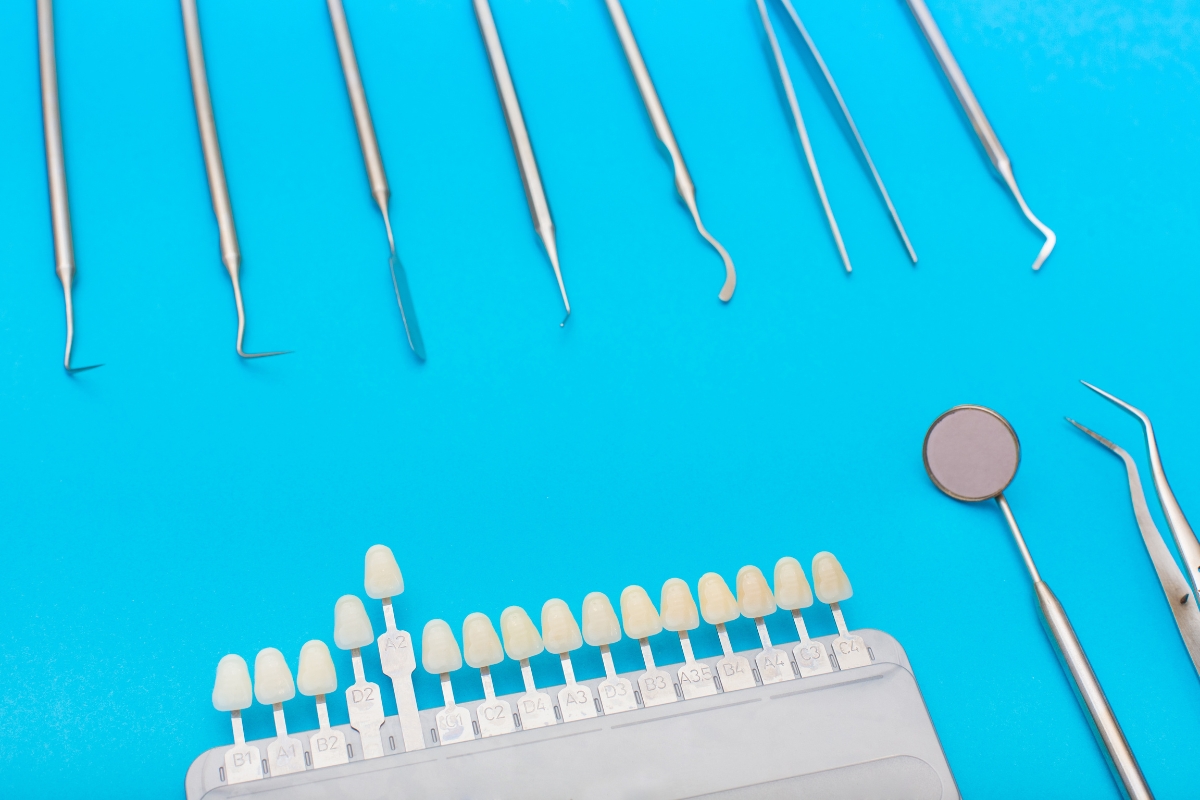

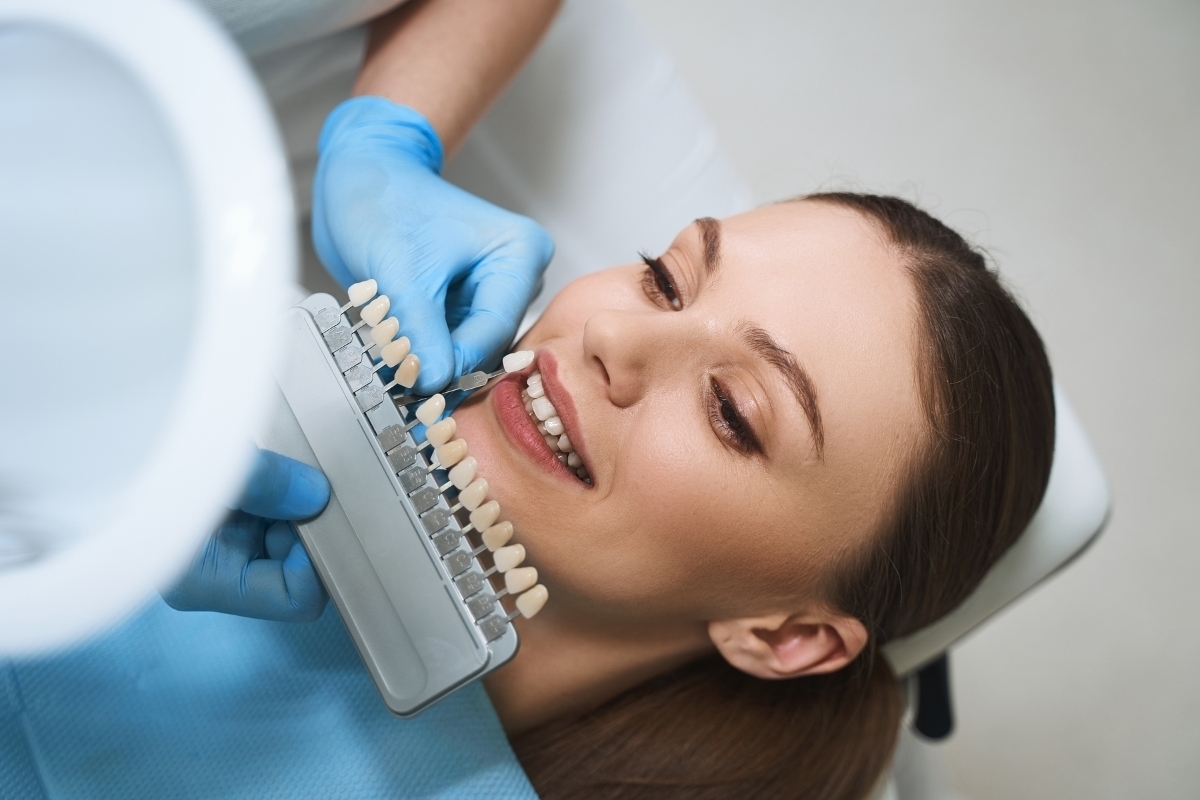
If you’ve recently invested in cosmetic dentistry, congratulations—you’re one step closer to a brighter, more confident smile. Whether you’ve had teeth whitening, veneers, bonding, or dental implants, proper aftercare is essential to protect your results.
One of the most important aspects of post-treatment care is your diet. The foods you eat can either preserve your smile or damage it. In this guide, we’ll walk you through the key foods to avoid after cosmetic dental procedures and why they matter.
Why Your Diet Matters After Cosmetic Dentistry
After most cosmetic procedures, your teeth and gums are more sensitive than usual. Whitening treatments temporarily make enamel more porous, while veneers and bonding need time to fully settle.
Certain foods can:
- Stain your teeth or restorations.
- Weaken dental bonding materials.
- Cause chips or cracks.
- Increase sensitivity.
That’s why your cosmetic dentist will always recommend dietary precautions—especially during the first 24–72 hours.
1. Dark-Colored Foods and Beverages
One of the biggest enemies of a newly enhanced smile is staining. Dark-colored foods and drinks can easily discolor teeth—especially after whitening.
Avoid:
- Coffee and tea
- Red wine
- Dark sodas
- Soy sauce and balsamic vinegar
These items contain strong pigments and tannins that can quickly stain enamel or restorations .
Pro Tip: If you can’t skip coffee entirely, try drinking it through a straw and rinse your mouth afterward.
2. Highly Pigmented Foods
Even healthy foods can harm your results if they are deeply colored.
Avoid:
- Berries (blueberries, raspberries, blackberries)
- Beets
- Pomegranate
- Tomato-based sauces
These foods contain natural pigments that can cling to teeth and cause discoloration .
3. Acidic Foods and Drinks
Acidic foods can weaken enamel and make your teeth more vulnerable to staining and sensitivity.
Avoid:
- Citrus fruits (lemons, oranges, grapefruit)
- Vinegar-based dressings
- Pickles
- Carbonated drinks
Acids soften enamel, increasing the risk of damage and discoloration after cosmetic procedures .
4. Sticky and Chewy Foods
Sticky foods can cling to teeth and even pull on dental restorations like veneers or bonding.
Avoid:
- Caramel
- Taffy
- Chewing gum
- Gummy candies
These foods can increase decay risk and may loosen or damage cosmetic work .
5. Hard and Crunchy Foods
Hard foods can put pressure on your teeth and potentially chip or crack dental restorations.
Avoid:
- Ice
- Hard candies
- Nuts
- Popcorn kernels
- Chips
Crunchy foods can damage veneers or bonding and should be avoided, especially right after treatment .
6. Extremely Hot or Cold Foods
After procedures like whitening, your teeth may become temporarily sensitive.
Avoid:
- Ice cream
- Hot coffee or soup
- Frozen drinks
Extreme temperatures can trigger discomfort and sensitivity in newly treated teeth .
7. Sugary Foods and Drinks
Sugar feeds harmful bacteria, increasing the risk of plaque buildup and decay.
Avoid:
- Candy
- Sugary juices
- Desserts with artificial coloring
High sugar intake can compromise both your natural teeth and cosmetic enhancements .
8. Strongly Spiced and Colored Dishes
Spices like turmeric and curry are highly pigmented and can stain teeth easily.
Avoid:
- Curry dishes
- Heavily spiced sauces
- BBQ sauces
These foods contain oils and pigments that stick to enamel and restorations .
What Can You Eat Instead?
While the restrictions may seem overwhelming, there are still plenty of safe options.
Choose:
- Soft foods like mashed potatoes, yogurt, and eggs
- Light-colored foods like rice, chicken, and pasta
- Dairy products like cheese and milk
- Plenty of water
These options are gentle on your teeth and help maintain your results.
How Long Should You Avoid These Foods?
- First 24–48 hours: Strict avoidance (especially after whitening)
- First week: Be cautious with hard and sticky foods
- Long-term: Limit staining foods to preserve results
Your cosmetic dentist will provide personalized guidance based on your treatment.
Protect Your Smile with Expert Care
At Daniel Sluyk DDS, your smile is our priority. Following proper aftercare—including smart food choices—can significantly extend the duration of your results.
If you’ve recently had a cosmetic procedure or are considering one, now is the perfect time to take the next step toward a healthier, brighter smile.
Ready to Protect Your Smile?
Don’t leave your results to chance. Whether you’ve had whitening, veneers, or bonding, expert guidance makes all the difference.
Have questions or need a consultation? Book an appointment with Daniel Sluyk DDS and let our team help you maintain your beautiful results for years to come.
FAQs
1. How soon can I eat normally after cosmetic dental procedures?
Most patients can return to a normal diet within 48 hours, but it’s best to avoid staining and hard foods for at least a few days.
2. Can I drink coffee after teeth whitening?
It’s recommended to avoid coffee for at least 24–48 hours, as it can stain your teeth while the enamel is more porous.
3. Are veneers stain-proof?
Veneers are more stain-resistant than natural teeth, but they can still discolor over time with frequent exposure to dark foods and drinks.
4. What foods help maintain a bright smile?
Light-colored, low-acid foods like chicken, rice, yogurt, and cheese are ideal for protecting your results.
5. Why are my teeth sensitive after cosmetic treatment?
Sensitivity is common because treatments like whitening temporarily affect enamel. Avoiding extreme temperatures can help reduce discomfort.