
Categories
Recent Posts


Does the Thought of a Dental Visit Make You Anxious?
You are not alone. Millions of Americans avoid going to the dentist because of fear, anxiety, or past painful experiences. But avoiding dental care leads to bigger problems- cavities worsen, gum disease spreads, and small issues become costly ones. But the good news is that you do not have to face your dental visit without support.
Today, dental sedation options have made dental care genuinely comfortable, even for the most anxious patients. Whether you get nervous about a cleaning or need a more complex procedure, such as sedation for dental implants, there is a safe, proven option for you.
At DS Family and Cosmetic Dentistry, Dr. Sluyk and his caring team understand that dental fear is real. That is why they offer a range of dental sedation options to help every patient feel calm, safe, and comfortable throughout their visit.
What Is Sedation Dentistry and Who Needs It?
Sedation dentistry refers to the use of medication to help patients relax during dental procedures. It is not just for people with extreme phobias; it also works well for patients who:
- Have a strong gag reflex
- Need multiple procedures in one appointment
- Have sensitive teeth or low pain tolerance
- Struggle to sit still for long periods
- Had a traumatic dental experience in the past
Our sedation dentist evaluates your health history and anxiety level before recommending the right option. The goal is simple: make your dental visit stress-free.
Sedation Dentistry Types: Which One Is Right for You?
Not all sedation works the same way. Here is a clear overview of the options available so you can have an informed conversation with your dentist.
1. Nitrous Oxide Sedation (Laughing Gas)
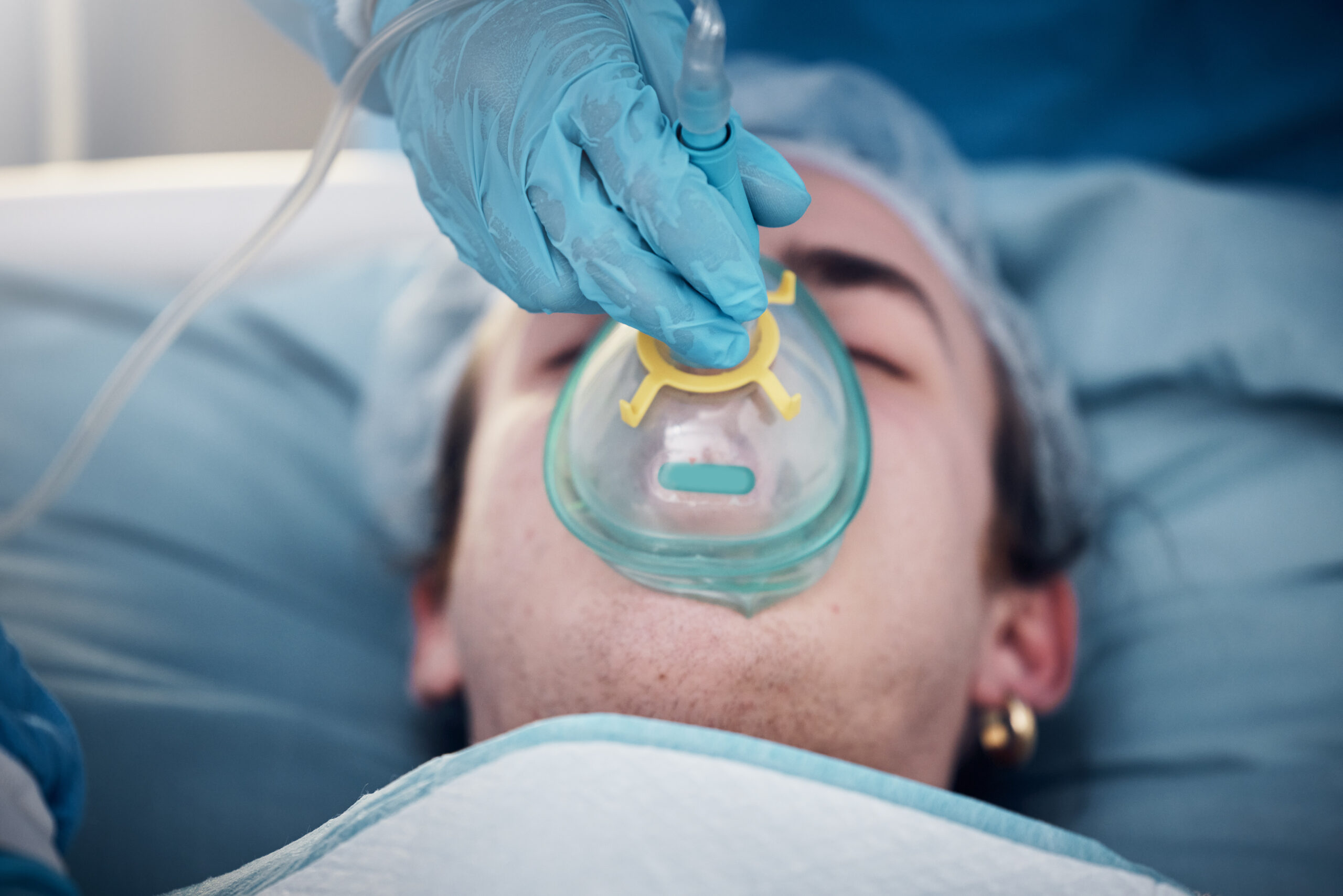
This is the most common and mildest form. You breathe in nitrous oxide sedation through a small mask placed over your nose. Within minutes, you feel relaxed and at ease, yet remain fully awake and aware. The effects wear off quickly once the mask is removed, so that you can drive yourself home after.
Best for:
- Mild dental anxiety
- Short procedures like fillings or cleanings
- Patients who want to stay alert and communicate during the visit
2. Oral Conscious Sedation
Oral conscious sedation involves taking a prescribed pill (usually a benzodiazepine) about an hour before your appointment. You will feel deeply relaxed and may even feel drowsy, but you remain conscious and can respond to questions.
This type of sedation treatment is a popular choice for moderate anxiety. Note: you will need someone to drive you home after your visit.
Best for:
- Moderate dental anxiety or phobia
- Patients who want to feel relaxed but stay conscious
- Longer procedures where staying still matters
3. IV Sedation Dentistry
IV sedation dentistry delivers medication directly into your bloodstream through a vein. This allows our sedation dentist to adjust the level of sedation in real time. You will feel very relaxed, and most patients have little to no memory of the procedure afterward.
Best for:
- Severe dental anxiety or phobia
- Complex or lengthy procedures
- Patients who need multiple treatments in one visit
4. General Anesthesia for Dental Procedures
In some cases, general anesthesia for dental procedures may be used. You are completely unconscious and feel nothing during the procedure. This is typically reserved for extensive oral surgeries or for patients with special medical needs.
Best for:
- Major oral surgeries
- Patients with severe anxiety who cannot cooperate otherwise
- Children or adults with special health conditions
Which Sedation Option Is the Safest for You?
Safety depends on your health profile, medical history, and the type of procedure you need. All dental sedation options offered at our dental office follow strict safety protocols. Here is how to think about it:
- Nitrous oxide is the mildest and safest for most healthy adults and children
- Oral sedation works well for those with moderate anxiety and no conflicting medications
- IV sedation requires monitoring and is safe when administered by a trained sedation dentist
- General anesthesia is safe when performed in a fully equipped facility with proper oversight
The key is to communicate honestly with our dentist. Share your full medical history, list of medications, and concerns openly. Dr. Sluyk will guide you toward the option that fits your health needs and level of anxiety.
Dental Sedation Options for Specific Treatments
Sedation for Dental Implants
Dental implant placement is a surgical procedure, and many patients worry about pain or discomfort. The good news is that effective sedation for dental implants is widely available, making the process much more comfortable. Most patients are surprised at how easy the experience is when the right sedation option is chosen.
Dental Treatment Under Sedation
Whether it is a root canal, tooth extraction, or multiple fillings, undergoing dental treatment under sedation means you stay calm throughout. For sedation in anxious dental patients, this approach removes the emotional and physical barriers that keep so many people from getting the care they need.
What to Expect When You Choose Sedation
Here is a simple breakdown of what happens before, during, and after your sedated visit:
Before Your Appointment
- Your dentist will review your health history and discuss your anxiety level
- You will receive clear instructions on what to eat or drink before the procedure
- Arrange a ride home if you are having oral sedation or IV sedation
During the Procedure
- Your vital signs are monitored throughout the appointment
- You feel calm and comfortable,;most patients report little to no discomfort
- Your dentist works efficiently while you remain relaxed
After the Procedure
- Recovery time varies depending on the type of sedation used
- Nitrous oxide wears off quickly; oral and IV sedation may take several hours
- You will receive aftercare instructions and a follow-up plan
Ready to Feel Calm in the Dental Chair? Visit Us Today
Fear of the dentist should never stand between you and a healthy smile. Whether you need a routine check-up or a complex procedure, our dental office is here to make your experience comfortable, calm, and positive.
Visit our dental practice in Scottsdale and discover which sedation option is the right fit for you. Dr. Sluyk and his team are ready to answer your questions and help you take that important first step toward better oral health.
Find us at: 8591 E Bell Rd #101, Scottsdale, AZ 85260, USA, where compassionate dental care comes first.
Contact us today to book an appointment. You deserve a dental experience that feels safe, comfortable, and completely stress-free.
FAQs:
1. How do I know which sedation option is right for me?
The dentist will assess your medical history, anxiety level, and the type of procedure before making a recommendation. A consultation helps both of you choose the most comfortable and safe approach for your specific situation.
2. Is dental sedation safe for all patients?
Most patients are good candidates for at least one form of dental sedation. The dentist will review your full health profile, including any medications you take, to confirm the safest option. Transparency about your health history is key.
3. Will I be unconscious during the procedure?
It depends on the sedation type. Nitrous oxide and oral sedation keep you conscious but deeply relaxed. IV sedation makes most patients feel as though they are asleep. General anesthesia results in full unconsciousness and is used for more extensive procedures.
4. Can I drive myself home after a sedated dental appointment?
With nitrous oxide, yes, the effects wear off quickly. With oral sedation or IV sedation, you will need a trusted adult to drive you home. Your dental office will let you know exactly what to plan for before your visit.
5. What if I am nervous about trying sedation for the first time?
It is completely natural to have questions. A good dental team will walk you through the entire process, explain what to expect, and answer every concern before you agree to anything. Taking things at your own pace is always an option.